

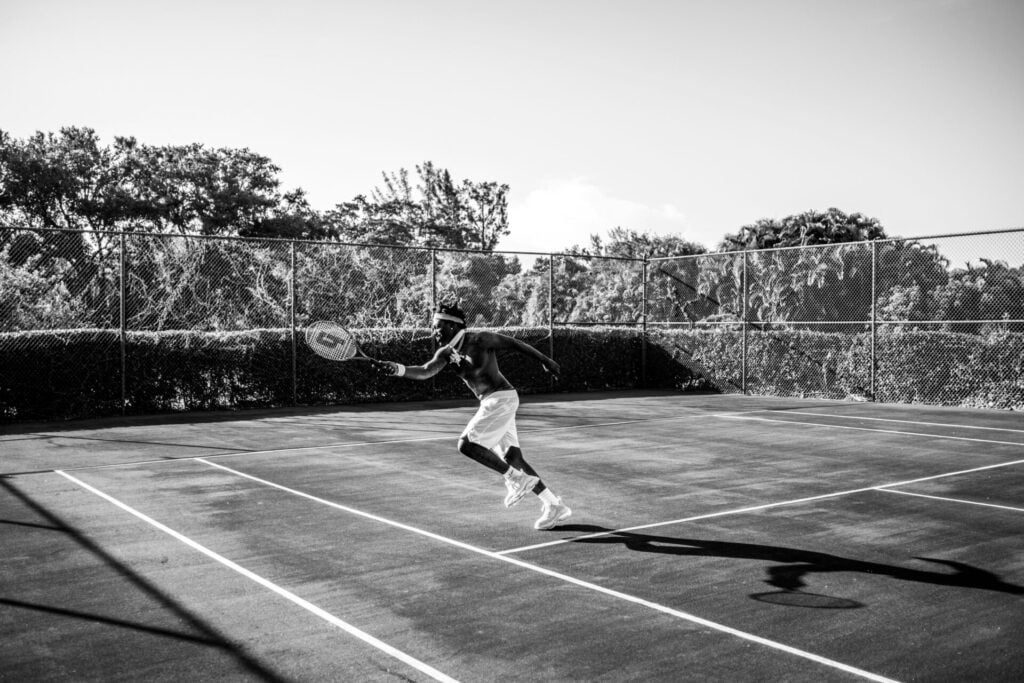

One of the most common mistakes beginners make when they first step onto a tennis court is treating tennis more like baseball. There’s nothing more satisfying than absolutely whacking a tennis ball, and for many new players, hitting harder feels like the fastest way to improve. The problem is that tennis is not just about power.
Professional players make it look effortless. They swing aggressively, generate huge pace, and somehow the ball still dips perfectly into the court. What most recreational players don’t realize is that the pros are not controlling the ball with strength alone. They use timing, spin, balance, footwork, and racket control to create power without losing consistency.
Because power looks so impressive, many players focus on it from day one…and often continue to prioritize it long before they’ve developed the control needed to manage it.
But hitting the ball long is not just caused by swinging too hard. There are several other reasons players lose control, many of which have nothing to do with raw power at all.
Let’s take a look at the most common causes of overhitting and, more importantly, how you can fix them.
What Does Overhitting Mean In Tennis?
It sounds pretty straightforward, but overhitting in tennis is not just about blasting the ball beyond the baseline. Overhitting can also mean pulling the ball wide, mistiming shots or generally trying to add more pace or force than you can consistently control.
At its core, overhitting happens when your level of aggression is greater than your level of control. Instead of letting the shot flow naturally, players often try to force the ball through sheer effort. This usually leads to tension, poor timing, and rushed decision-making.
Why Do Tennis Players Overhit
1. Trying To Hit Too Hard
We’ve already mentioned how satisfying it is to absolutely crush a tennis ball. Few feelings in sport compare to timing a clean forehand perfectly and hearing that explosive “boof” off the strings. The problem is that power without control is very difficult to manage in tennis.
To hit aggressively and consistently, you need the right balance of topspin, timing, balance, and racket control. Without those ingredients, simply swinging harder usually causes the ball to fly long, wide, or break down under pressure.
There are several reasons why players tend to overhit:
- The Thrill of Power – Sometimes it’s as simple as “hitting hard is fun”. Players naturally chase that satisfying feeling of blasting winners, especially after watching the professionals do it so effortlessly on TV. The problem is that many players prioritize power before they’ve developed the consistency needed to control it.
- Panic Under Pressure – One of the most common causes of overhitting is panic. When your opponent hits with more pace or pushes you into a difficult position, the natural reaction is often to swing harder back at them. Instead of staying relaxed and controlled, players rush, tense up, and try to force the ball. Ironically, this usually makes timing and control even worse.
- Trying To Finish the Point Too Early – Many recreational players try to end points before they have truly created the opportunity. Just because you can attack a ball does not always mean you should. Trying to hit winners from neutral or defensive positions often leads to low-percentage errors and unnecessary mistakes. The best players build points patiently. They use depth, spin, angles, and movement to create the right opportunity before accelerating aggressively. Learning when not to go for too much is one of the biggest keys to improving consistency.
2. Being Too Tense
One of the most common problems with adult tennis players is tension. Life is stressful, and unfortunately that stress often transfers straight through the racket. Tight body, tight swing.
When players get nervous, frustrated, or overly focused on results, they naturally tighten up. The grip becomes firmer, the shoulders tense, and the swing loses its natural flow. Ironically, the tighter you are, the harder it becomes to control the ball. Instead of absorbing and shaping the shot, the ball tends to spring uncontrollably off the strings.
Tension also makes it much harder to create topspin and smooth racket acceleration. Many players think they need to “muscle” the ball for power, but the opposite is usually true. Relaxed players often generate more racket head speed because the swing can move freely and efficiently.
When players get too tight, they often grip the racket too hard, swing mainly with the arm, rush the swing, and lose rhythm and timing. This creates jerky, forced swings that may feel powerful but are actually inefficient and difficult to repeat consistently. The best tennis strokes are fluid and relaxed. Watch the professionals closely and you’ll notice how loose and effortless their swings often appear, even when generating huge pace. The racket should accelerate naturally through the ball rather than being forced with tension. Very often, the players who look like they are swinging the easiest are actually producing the heaviest shots.
3. Poor Balance
Balance plays a massive role in shot control. If you are leaning backwards, falling sideways, reaching too far etc, controlling power becomes incredibly difficult. Even a technically good swing can break down if your body is unstable at contact.
In tennis, you should ideally have either:
- Static balance — staying stable while relatively still
- Dynamic balance — staying stable while moving and recovering
Since tennis is such a fast-moving sport, dynamic balance is especially important. Great players are constantly adjusting their body position so they can stay controlled even while moving at speed. Many overhit errors happen because players arrive late to the ball, fail to adjust their feet or try to hit too aggressively while moving poorly. When this happens, players often compensate by swinging harder with the arm, which only reduces control further. If your body weight is falling backwards or drifting sideways, the racket path and contact point become much harder to manage. The result is usually a ball flying long, wide, or mistimed completely.
One of the biggest differences between advanced and recreational players is how well they position themselves before contact. Professional players make difficult shots look effortless because they are constantly making small adjustment steps to stay balanced and organized.
If you regularly overhit, don’t just focus on your swing mechanics. Often the real issue starts with your movement and positioning long before you make contact with the ball. Improving your footwork, preparation, and recovery can dramatically improve consistency and control.
4. Not Using Enough Spin
Topspin is one of the biggest keys to controlled aggression in tennis. Simply put, topspin causes the ball to dip down into the court faster than an equivalent flat shot. This means you can swing faster, accelerate more aggressively, and still keep the ball under control. Without topspin, players often feel like they have to guide the ball carefully into the court to avoid hitting long. With topspin, you can swing with far more freedom and confidence because the spin helps bring the ball back down inside the lines.
This is one of the biggest differences between professional players and recreational players. The pros are not just hitting harder, they are creating massive racket head speed combined with heavy topspin. That combination allows them to hit aggressively while still maintaining incredible control.
Another major advantage of topspin is that it makes your shots more difficult for your opponent to handle. A heavy topspin ball kicks up higher after the bounce, pushes players back behind the baseline, and can force weaker replies that allow you to take control of the rally.
Learning how to create reliable topspin gives you far more margin and confidence when swinging aggressively. Instead of feeling like you need to hold back, you can accelerate naturally through the ball while still maintaining consistency.
To read more in-depth about topspin, check out this article: Why You Need Topspin In Tennis?
How to Stop Overhitting in Tennis
1. Add More Topspin
The single most important way to quickly gain more control in your game is to add topspin. This is going to help you control that power instead of slowing the swing down too much.
Here are some ways to practice this:
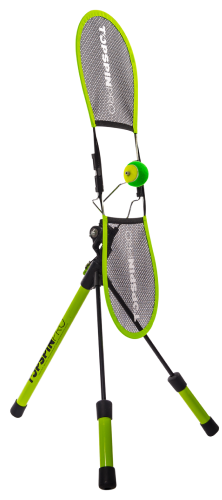
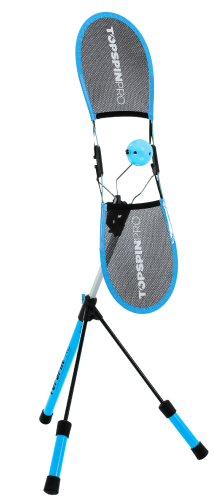
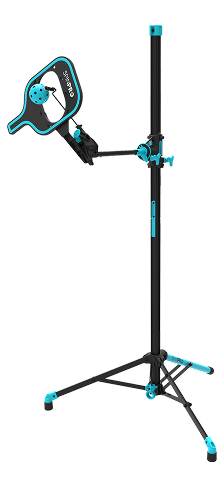
- Use a training Aid – Training aids like the TopspinPro mean you can easily master the biomechanics of topspin from the comfort of your own home or on court.
- Here’s some example drills you can do on court with the TopspinPro:

- Topspin Drills – Once you have mastered the biomechanics of topspin using a training aid you can move onto drills to lock in the technique with a moving ball. Here’s some examples of topspin forehand drills you can do: Tennis Forehand Drills
2. Relax Your Grip Pressure
Tight grip pressure means you are too tense during the swing. Practice holding the racket with a loose grip and some shadow swings. Holding the racket with only two fingers can help you get a feel for how loose the grip should be.
Also practicing with compression balls is a great way to work on your looseness too. They naturally stop you from tensing up because they don’t bounce into you as fast:

3. Improve Your Footwork
We already talked about balance and how much it affects shot control. The better your footwork is, the easier it becomes to arrive at the ball in a balanced and organized position. Good footwork does not just help you reach the ball, it helps you control the ball.
Many overhit errors actually begin before the swing even starts. If you are late to the ball, reaching awkwardly, or falling away at contact, maintaining control becomes extremely difficult. Strong footwork allows you to position yourself earlier, adjust to different ball heights and speeds, stay balanced through contact,
and recover efficiently for the next shot.
One of the biggest differences between advanced and recreational players is the quality of their movement between shots. Great players are constantly making small adjustment steps to stay balanced and create cleaner contact points.
For help improving your movement, balance, and tennis-specific fitness, check out our 15-minute fitness course:

4. Work On Staying Patient
One of the biggest causes of overhitting is trying to end points too early. Players often go for low-percentage winners before they have truly created the opportunity. Staying patient helps you make smarter decisions and build points more effectively.
Decision-making is a huge part of tennis and is often the difference between winning and losing. The best players understand when to attack, when to rally, and when to simply stay solid and wait for a better opportunity.
Patience does not mean playing passively. It means understanding that you do not need to hit a winner on every shot. By using depth, spin, placement, and consistency, you can gradually put your opponent under pressure without taking unnecessary risks.
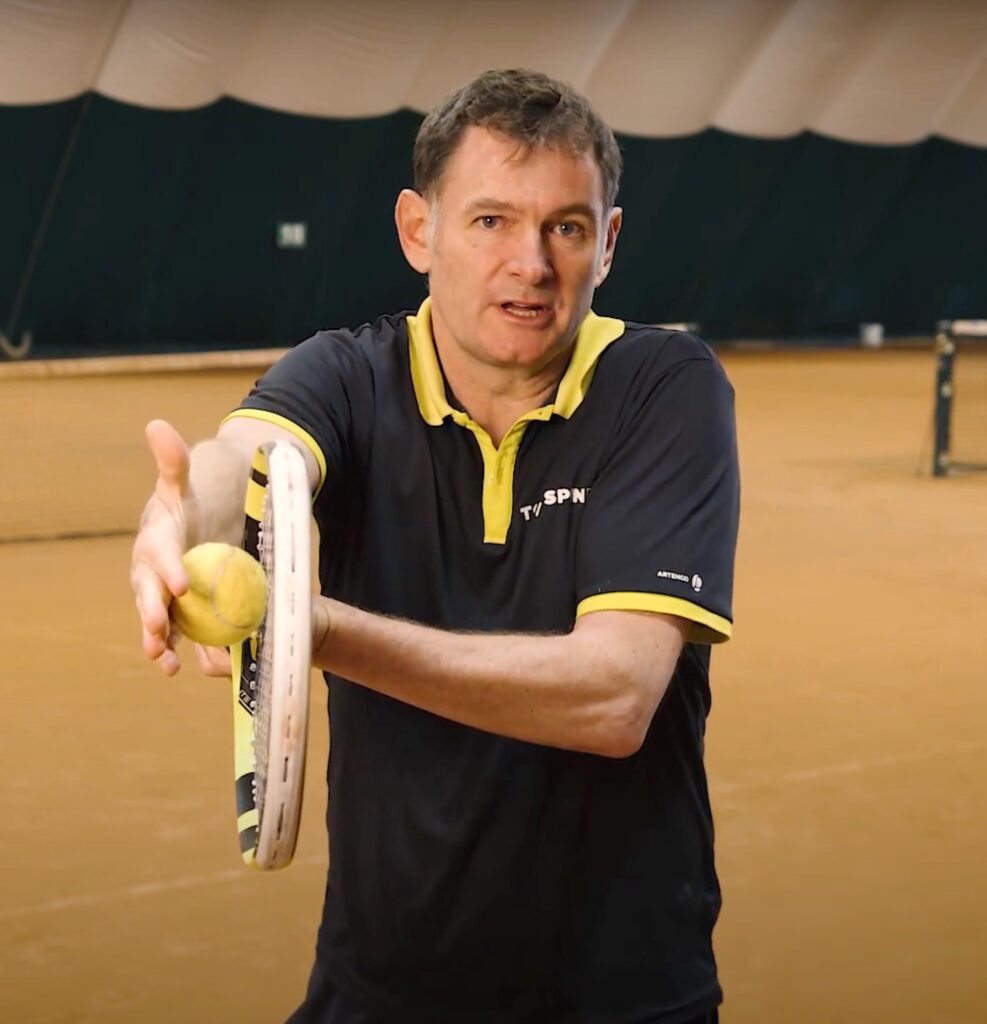
A great way to train patience is by practicing longer rallies rather than constantly playing short points. One simple method is to start points with a hand feed instead of a serve. This immediately creates a neutral rally situation and encourages longer exchanges, better shot tolerance, and smarter point construction.
The more comfortable you become staying in rallies, the less pressure you will feel to overhit or force winners too early.
Final Thoughts
Overhitting is rarely just about hitting too hard. Most of the time it comes from tension, rushed decision-making, poor balance, or trying to force points before the opportunity is there.
The goal is not to become passive, it’s to become controlled and efficient. Once you learn how to combine relaxation, spin, balance, and smart shot selection, you’ll find you can actually swing faster and make more balls.
In tennis, the best players are not the ones who hit the hardest. They are the players who can apply pressure consistently without giving away free points.
FAQs
-
What does overhitting actually mean in tennis?
Overhitting is not just blasting the ball beyond the baseline. It can also mean pulling the ball wide, mistiming shots, or trying to add more pace and force than you can consistently control.
-
Why do I keep hitting the ball long even when I’m not swinging that hard?
Hitting long is rarely just about power. Tension, poor balance, late footwork, not enough topspin, or rushed decision-making can all make the ball fly long, wide, or break down under pressure.
-
How does topspin help me stop overhitting?
Topspin is one of the biggest keys to controlled aggression because it helps the ball dip down into the court faster than a flat shot. That means you can swing with more freedom and confidence instead of slowing the swing down too much.
-
What should I do if I get tight and start forcing the ball?
Relax your grip pressure. A tight body creates a tight swing, so practice loose shadow swings, even holding the racket with only two fingers to feel how freely the racket should move.
-
How can I play aggressively without giving away free points?
Stay patient and build the point before trying to finish it. Use depth, spin, placement, and consistency to apply pressure, because the goal is not to become passive, it’s to become controlled and efficient.
Enjoyed this article?
Be sure to sign up for our newsletter and we'll keep you up to date about new posts