
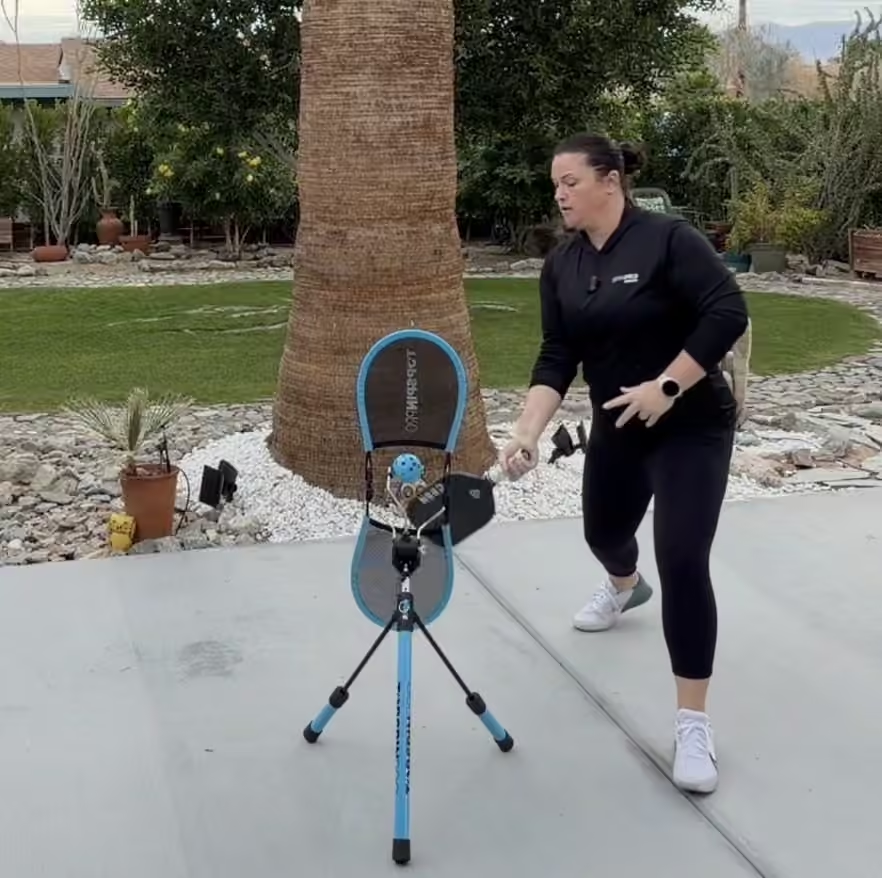

Isolating a Skill
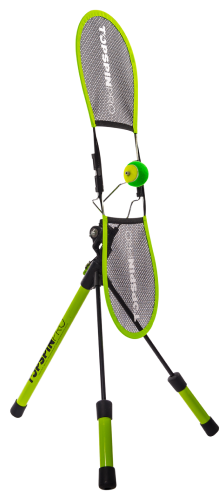
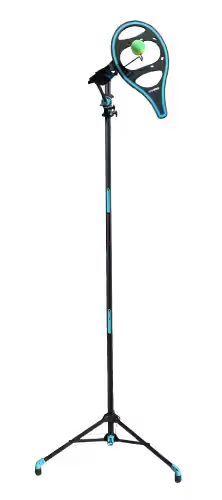
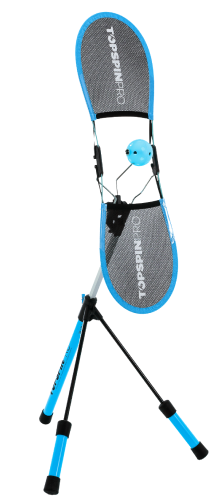
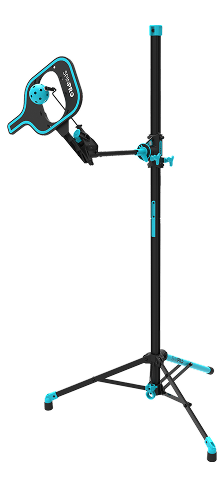
The Pickleball TopspinPro allows you to practice an isolated skill, which in this case is topspin.
Isolating topspin, with no incoming ball, allows you to repeat the correct technique enough times to establish good muscle memory. This is the key to fast progression.
Learning the same skill in a pressure situation, such as a match, will take significantly longer to grasp, and you will likely never master it.
Whenever you are learning something new, no matter what it is, you should slow it down and isolate the skill. And the more complex that skill, the more you need to do this.
Once you have built enough muscle memory with isolation, it’s important to gradually expose yourself to more difficult situations.
Many people make the mistake of practicing on the Pickleball TopspinPro and then head straight on court for a game, and wonder why they struggle to apply their topspin. Like with any skill, you have to practice under increasingly demanding conditions before you enter the toughest arena.
Let’s look at the best way to progress:
Stages of Practice
STAGE 1 – Building Muscle Memory On Pickleball TopspinPro
This is the most important phase for building the foundation of your topspin shape. This is where you should spend the most time and really embed the muscle memory.
Repetitions are key, and it’s crucial not to move past this without having mastered the basic topspin shape. Don’t rush into taking full swings immediately.
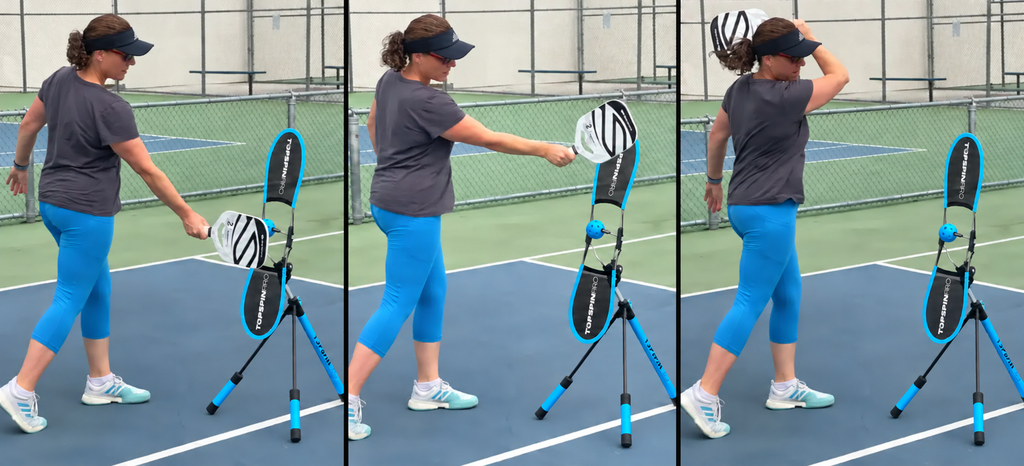
First, try rolling your hand up the back of the ball to get a feel for the topspin action. Then try with your paddle and see if you can get a good amount of revolutions on the ball just by swinging up slowly. If you can roll your paddle up the ball without touching the rest of the device, then you have made a good start!
Keep the paddle face parallel to the screens, as in the pictures below. If you are still struggling to strike the ball without touching any other part of the TopspinPro, then go back to using your hand or slow down the speed of the movement. Once you are comfortable, you can begin taking larger swings, still trying to make contact with only the ball.
If you are not sure if you are hitting correctly, then take a look at this video:

STAGE 2 – Static Hits With The Ball
Once you feel you have built up enough muscle memory, you can move away from the Pickleball TopspinPro and add in a ball.
- Drop feeds – You can use two types of drop feeds. You can let it bounce and play it like a groundstroke or drop and strike out of the air like a serve or volley. For both, ensure you drop the ball far enough in front of your body to help generate a good contact point. You may even need to toss it slightly upward first to help the ball bounce a little higher off the ground or give you more time to take it out of the air. Expect the ball to go downwards into the net to begin with; this is normal. Topspin makes the ball drop sooner than if it is hit flat. To counter this, ensure your swing finishes up high and that you begin with your paddle below the ball. Try alternating on and then one off the TopspinPro for extra muscle memory build-up.
- Slow fed static hits – have a partner throw some slow balls right to you (so you can hit without moving your feet). This is harder than a drop feed, and you want to build your confidence here and be able to apply topspin to an incoming ball. Once you feel comfortable with this, ask your partner to feed the balls a little faster and from further away.
Stage 3 – Adding In Movement
By this stage, you should feel confident generating topspin consistently. If your technique begins to break down under pressure, step back to the previous progression or use the TopspinPro between sets to reinforce the correct swing.
- Slow-ball feeds with movement – have your partner send the ball away from you so you have to move to reach it. Again, this increases the difficulty and pressure of the shot. Aim to get a good percentage of your shots over and in the court using topspin.
- Mix up the practice – try to practice all topspin shots. To allow for this position, position yourself in different areas of the court and have your feedethrow you a selection of shots.
- Faster ball feeds/ball machine – As above, but with a faster ball. A great way to practice this is with a ball machine. A ball machine can also give you a better consistency of feed at pace.
Stage 4 – Rallying
This is the most demanding stage. The incoming balls will vary significantly in height, depth, pace, and spin, requiring sharper footwork and constant adjustments.
You’ll also need to vary the pace, placement, and spin of your own shots. Because these skills are essential for match play, this is where you should spend most of your practice time.
Adapting to a wider variety of balls takes time and repetition, so expect some inconsistency at first. Include volleys, dinks, and groundstrokes in your sessions, and use your topspin serve to begin each rally. To increase the difficulty, add targets or challenge yourself to direct the ball into specific areas of the court.
Stage 5 – Practice points
Once you can rally consistently, it’s time to put your topspin to the test. Start with skinny singles, practicing both down the line and crosscourt. This format gives you more opportunities to hit the ball than doubles while challenging you to be more precise.
Don’t worry if your technique occasionally breaks down. By this stage, the movement should be well established, so stay relaxed and trust your swing.
Once you can use topspin confidently in singles, introduce it into doubles. Expect the unexpected: stay alert, move your feet, remain relaxed, and trust your technique.
Stage 6 – Matchplay
The final, and most rewarding stage, is using your topspin in a competitive match. By this point, you should feel comfortable generating topspin from different areas of the court. As in Stage 5, stay relaxed and trust your technique and muscle memory.
Your focus can now shift from how to produce topspin to when and where to use it. Some shots will work perfectly, while others won’t go as planned. That’s all part of the challenge and excitement of the game.
After each match, reflect on any difficulties you experienced and try to identify what went wrong. You can then target those areas in your next practice session and return to your next match better prepared.
How To Keep Practicing With Your TopspinPro
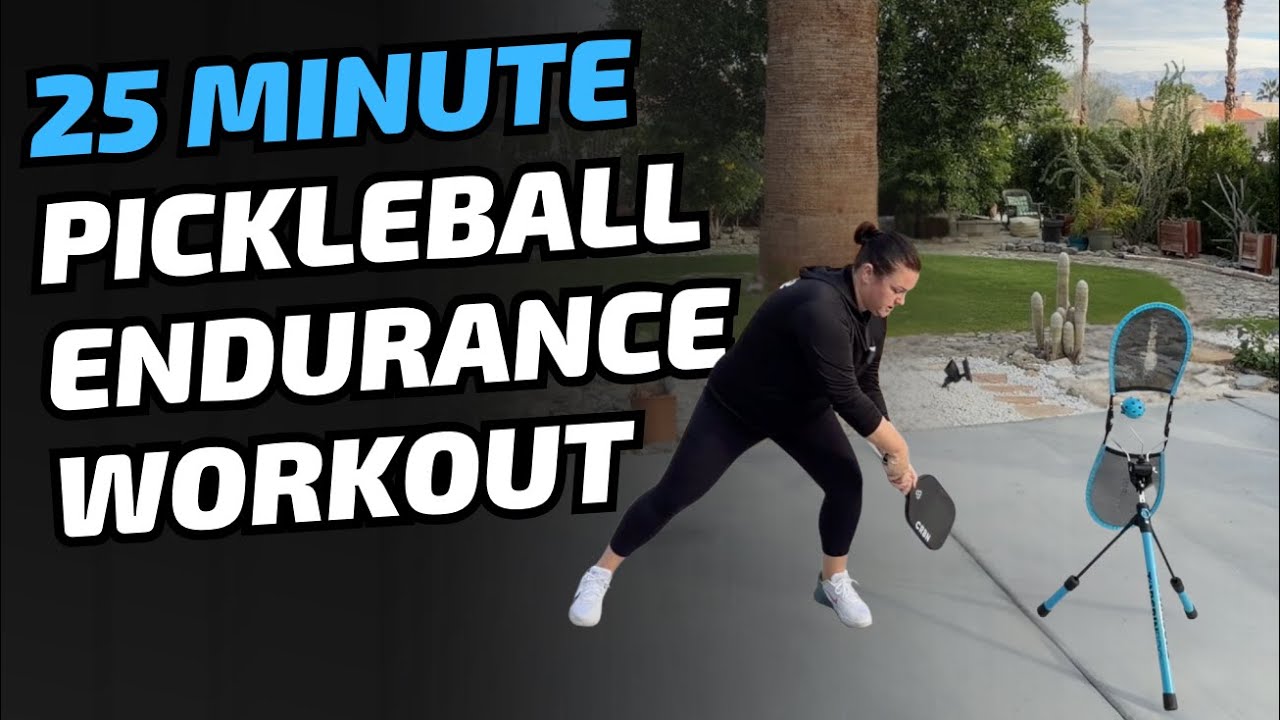
Once you have reached the matchplay stage, it’s not time to put away your TopspinPro yet! There are plenty of ways you can keep developing as a player and use it as part of your regular practice routine. Check out this video for some footwork drills:
Summary – Don’t rush the process
Don’t rush the process. Players often tell me they want to practice against stronger opponents. While playing with more advanced players can teach you a great deal, their faster shots give you less time to react, move into position, and maintain the correct swing shape.
When developing a specific skill like topspin, increase the difficulty gradually. This allows your technique to become reliable without breaking down under pressure. Even professional players use drop feeds and practice with slower hitters when refining their strokes.
It may seem counterintuitive, but progressing patiently will help you improve faster and feel better prepared when the pressure increases.
FAQs
-
Why should I isolate topspin before trying it in a game?
Isolating topspin, with no incoming ball, lets you repeat the correct technique enough times to build good muscle memory. Learning it for the first time in a pressure situation, such as a match, will take significantly longer and you may never really master it.
-
How should I start using the Pickleball TopspinPro?
Don’t rush into full swings. First, roll your hand up the back of the ball to feel the topspin action, then try it with your paddle, keeping the paddle face parallel to the screens and making contact with only the ball.
-
What should I do once I can create topspin on the TopspinPro?
Move away from the Pickleball TopspinPro and add in a ball with drop feeds or slow static hits. Drop the ball far enough in front of your body, start with your paddle below the ball, and finish up high—expect some balls to go down into the net at first.
-
When is it time to add movement and rallying?
Once you are confident consistently applying topspin, add movement with slow feeds away from you, then build toward faster feeds or a ball machine. Rallying is tougher because the height, depth, and pace keep changing, so expect to struggle at first and get the repetitions in.
-
How do I take topspin from practice into matchplay without it breaking down?
Build it up gradually through practice points, skinny singles, doubles, and then real matchplay. Don’t panic if you have a setback—stay relaxed, trust your technique and muscle memory, and add more practice sessions if it doesn’t work out how you planned.
Links Related to This Article
Enjoyed this article?
Be sure to sign up for our newsletter and we'll keep you up to date about new posts