
What Is A Volley?
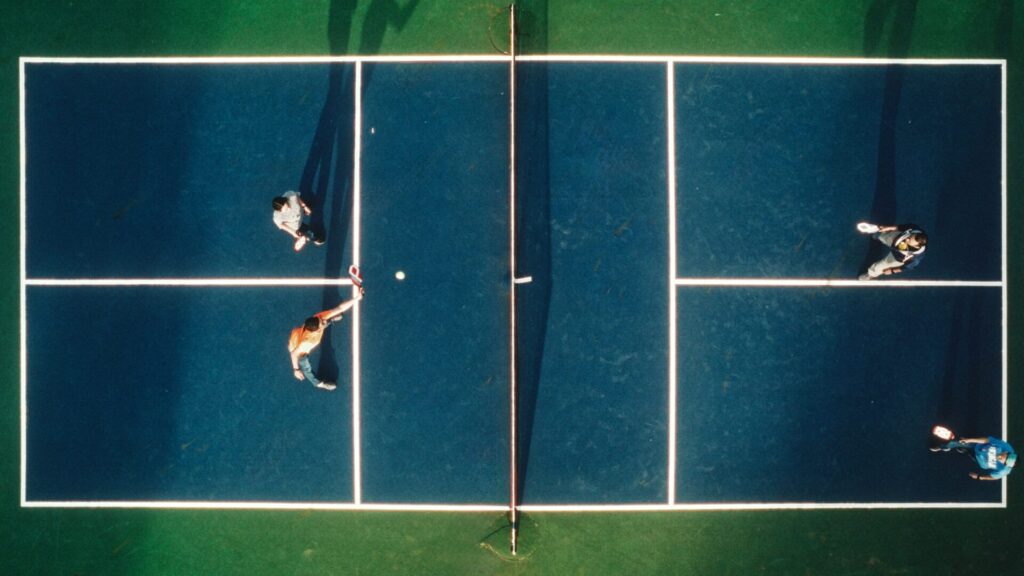
Let’s start at the beginning. What is a volley? A volley is a shot struck out of the air before the ball bounces. Volleys are normally played near the non-volley-zone line, commonly known as the kitchen line, but in theory, you can volley from anywhere on the court.
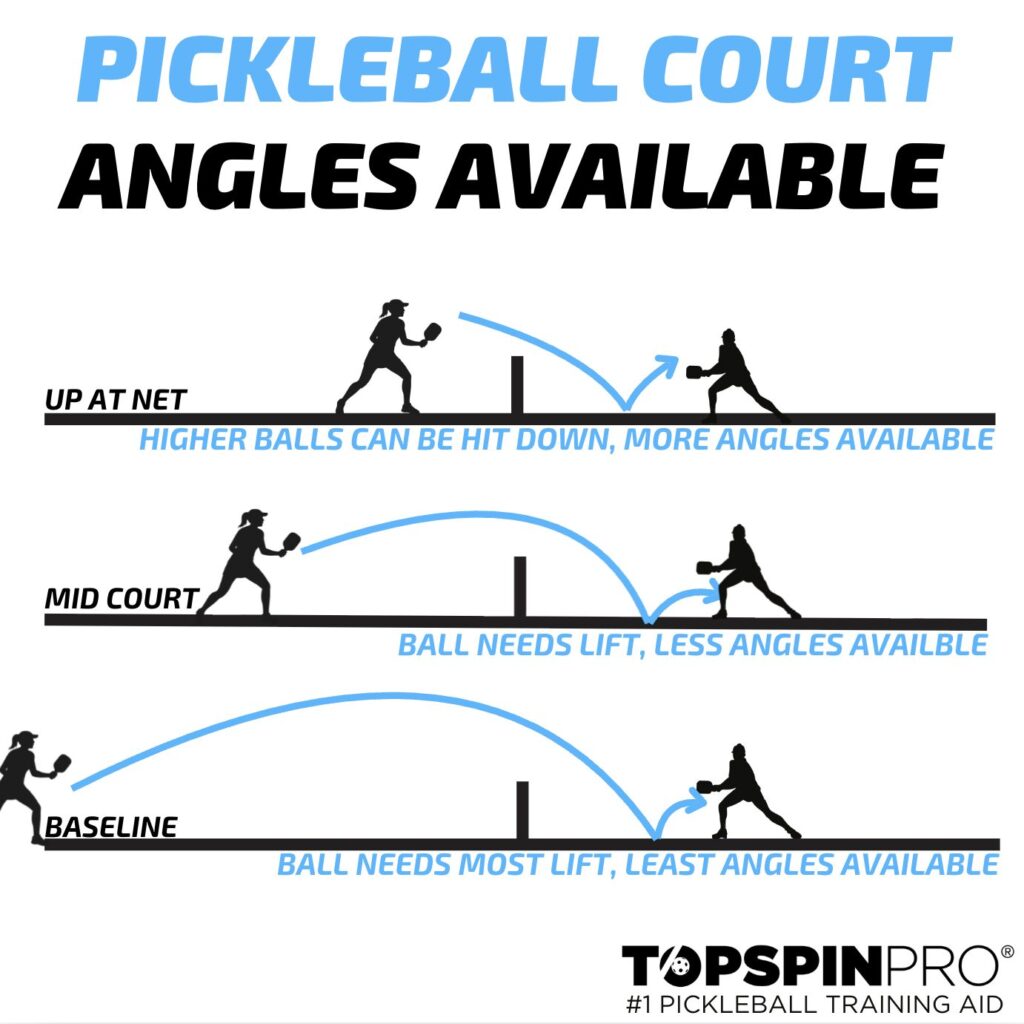
Taking the ball out of the air gives your opponents less time to react. It can also help you maintain an attacking position rather than letting the ball bounce, which could force you away from the net. Also, being up closer to the net enables you to strike higher balls down, rather than having to lift them up and over the net.
There are some rules in pickleball that can be confusing to the newer player. One of the most important ones to grasp is the two-bounce rule:
- The serve must bounce before the receiving team returns it.
- The return of serve must bounce before the serving team hits it.
- After those two bounces, either team may volley the ball or play it after a bounce.
So basically, the ball must touch the ground on both sides of the court before anyone volleys. This rule applies at the beginning of every rally. USA Pickleball’s rules summary confirms that volleying becomes permitted only after the ball has bounced once on each side.
Where Can You Stand When Volleying?
The area extending seven feet from each side of the net is the non-volley zone, or kitchen. As its official name suggests, you may not volley while touching this area.
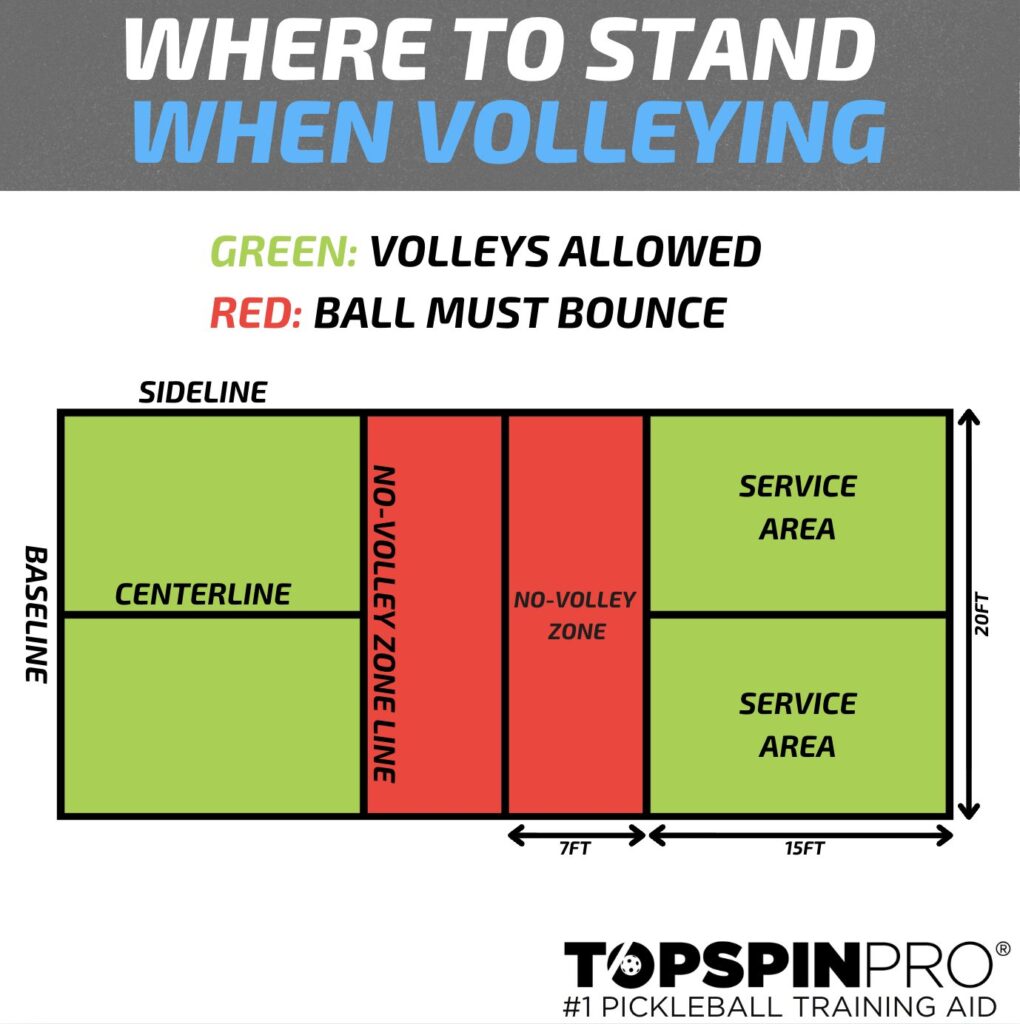
When hitting a volley:
- Neither foot may touch the kitchen or the kitchen line.
- Your clothing, paddle, or anything else you are carrying must not touch the kitchen during the volleying action.
- Your momentum must not carry you into the kitchen after contact.
- You must regain your balance outside the kitchen before stepping into it.
- A partner cannot prevent a fault by catching or supporting you while you are standing in the kitchen.
The momentum rule continues to apply even after the rally has ended. For example, if you hit a winning volley and then fall into the kitchen, it is still a fault, even if the ball has already bounced twice or been called out.
This is where it gets confusing for a lot of people:
You may lean over the kitchen to volley the ball, provided nothing touches the kitchen surface or its boundary line. You may also stand in the kitchen at any other time. You can enter it to play a ball that has bounced, and you can remain there while the rally continues. You simply cannot volley until you have re-established both feet outside the zone.
So, try not to panic. A useful way to remember the rule is:
The kitchen is not a place you are forbidden to enter; it is a place from which you are forbidden to volley.
Why Volley?
Rather than staying back at the baseline, volleying allows you to be more offensive. First, you reduce your opponents’ reaction time by getting closer to them. Second, it’s easier to hit angles and pressure your opponents by being closer to the other side of the court. You can basically hit the ball down into the court rather than lifting it over the net (see image below). That’s why we look to get to the net as fast as possible, especially when playing doubles. In singles, it’s a little different as it’s harder to cover the whole court. So players tend to stay back more until the opportunity arises to get to the net.
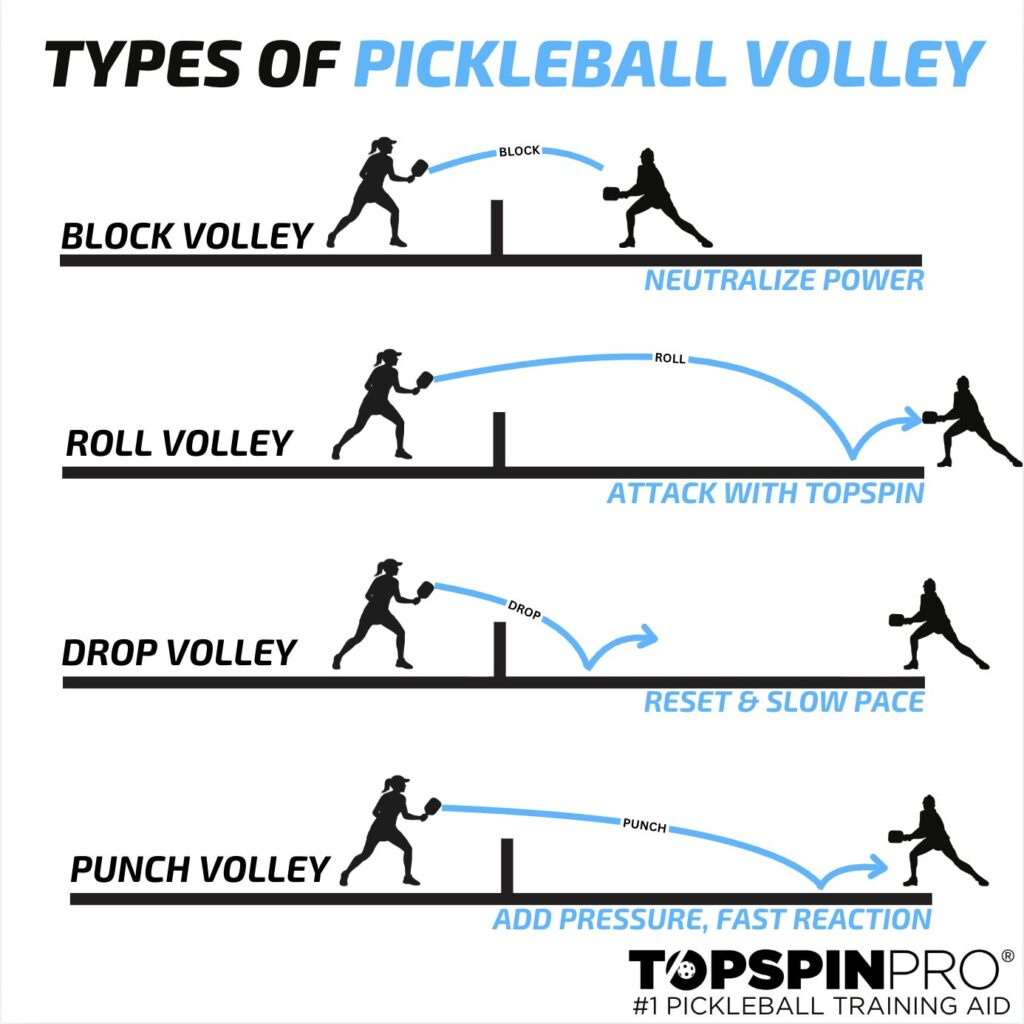
The Four Main Types Of Pickleball Volley
1. Block Volley
The block volley is a defensive shot used against a fast drive or speed-up. Instead of adding power, you use the paddle to absorb and redirect the pace that is already on the ball.
2. Roll Volley
The roll or topspin volley is helpful for lower or medium-height volleys, where you have to lift the ball back up over the net and drop it into the court. Adding topspin helps the ball drop sooner. It’s also great for aggressive shots above net height, where you can use the topspin to help keep it controlled (such as rolling it at your opponent’s feet).
3. Drop Volley
As it sounds, the drop volley is when you place the ball short and close to the net. A great tactic if your opponent is at the baseline and pushed back. The drop volley is perhaps the hardest to execute well. It requires softening the hands to match the pace of the ball. It can be likened to catching the ball with your paddle.
4. Punch Volley
A punch volley can be executed with a quick, sharp movement through the ball. Having a flatter and slightly open paddle face allows you to place it toward your target area. This is the easiest type of volley when the ball is traveling quickly toward you or when you want to place the ball accurately.
Bonus: Dink Volley
A dink volley is hit when up at the NVZ line. It’s usually hit in response to a deeper dink from your opponent, where it’s better to volley it than to move back and play an awkward shot. The key here is to dink it back into the opposing kitchen without popping it up too high, allowing them to attack. It’s a soft, gentle dink.
Choosing The Right Volley
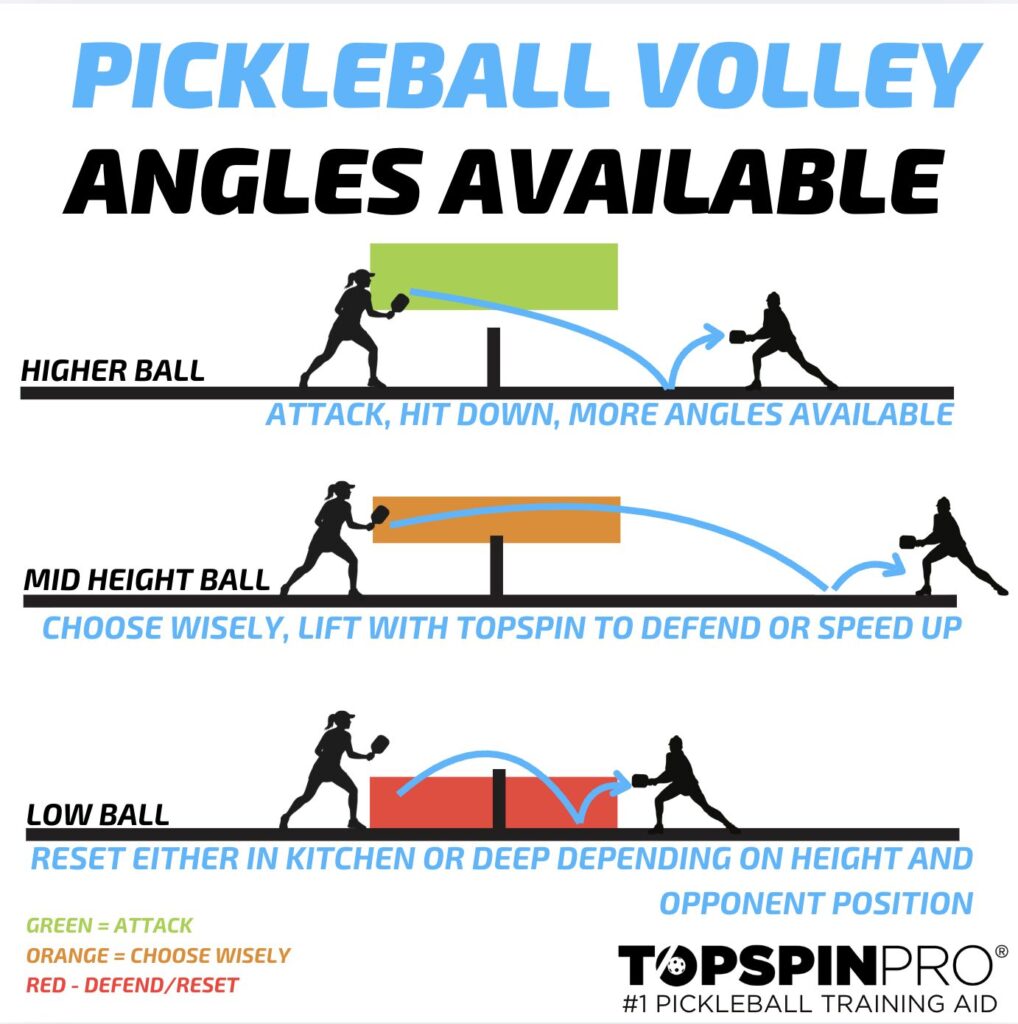
Where you should be hitting the ball and what volley you should choose depends on the height and weight of the incoming ball. For example, if someone slams a ball at you at full pace, you wouldn’t choose to try and attack it back with a big roll volley; you would simply try to get your paddle to the ball!
Take a look at the image below. Anything in the green zone in terms of height is easier to attack, as long as you aren’t under pressure. Anything in the orange zone is about making the right decision, and most shots in the red zone, you just want to play back.
Let’s look more closely:
Chest/Shoulder Height Ball – GREEN
A chest and shoulder height ball is right in the attack zone. You should either be attacking with power or placement and using a roll or punch volley:
- Power – If you want to attack the ball with max pace and try to overpower your opponent (often the most satisfying feeling), then the ball should be around chest or shoulder height when you strike it. Higher than that, there should be an overhead; lower than that, you should be rolling the ball back with topspin.
- Attacking The Feet – Rolling that ball down into the feet is the second option when the ball is sitting up in the attack zone. Focus on your target and apply max topspin and 80% pace.
Waist Height Ball – ORANGE
A ball around waist height or just above net height can still be attacked, but you need to choose your shot wisely and make sure you are using topspin. The lower the ball is, the more lift it needs. Anything high can be driven straight down into the court, but these mid-height balls usually need a touch of lift just to clear the net. You can still roll the ball at the opponent’s feet from here, but generally with less pace. Here are some other options:
- Speed Up – You can use a little topspin to speed up the ball towards your opponent and change the tempo. This can often throw them off guard if they aren’t expecting it. This is an option from a mid-height ball when all four opponents are at the net.
- Create Spaces – One of the more underused tactics with the topspin volley is to remove a little pace and create spaces between your opponents. By adding spin, you can hit tighter angles from mid-height balls and move the ball around.
Below Net Height – RED
Anything below net height should not be attacked in the traditional way. From here, you can only lift the ball, not hit down. But you have options to keep pressuring your opponents:
- Roll the ball deep – Rolling the ball deep from a lower volley is a great way to keep your opponents back, or apply pressure while they’re still in the transition zone. This shot commonly comes up after you’ve returned serve and are moving up to the net while your opponents are still back.
- Rolling reset – If there’s no better option available for the volley, the best move is to reset it into the kitchen. But instead of just blocking it back in, add a touch of topspin to put a little extra pressure on your opponents.
Common Volley Mistakes
Standing Right Up At The Kitchen Line
The line is part of the non-volley zone. If you hug the line too tightly, then you will find it hard not to make contact with the kitchen from time to time. Leave a small amount of space between your feet and the line so minor movements do not produce an avoidable fault. You should also move forward and back based on how much reaction time you need. If someone is blasting the ball at you, you may need to drop back a couple of steps to have enough space.
Swinging too much
I get it, taking a huge swing at the ball is so satisfying! But pickleball volleys happen at close range. A large backswing slows your reaction and makes it difficult to control the paddle face. Compact movements are normally more effective.
Gripping the paddle too tightly
This is one of the most common mistakes across all pickleball shots. A tight grip reduces feel and causes the ball to rebound more forcefully. Use a firmer grip when attacking and a softer grip when blocking or dropping the ball.
Dropping the paddle
If your paddle starts below your waist, you may be late on a fast shot, and moving your paddle from low to high could pop the ball up. Return it to the ready position after every volley.
Aiming too close to the lines
Trying to put the ball away too often can result in mistakes. At beginner and intermediate levels, consistency usually wins more points than spectacular placement. The middle of the court is a valuable target because it offers a larger margin for error and can cause confusion between doubles partners.
How to Improve Your Volley
Contact Point
The key to having a solid volley is to make contact out in front. This provides more power, paddle stability, and accuracy. It’s also easier to keep your eyes on the ball. To achieve this, keep a short backswing. Visualize pushing the ball vs hitting it.
Placement
Rather than randomly hitting it, know in your mind where you are aiming the ball. If you have a planned strategy, it becomes easier to execute the technique. If in doubt, always go for the most consistent choice. You should also practice ball from the green, orange, and red zones equally. Here are some drills you can copy:

Ready Position
Have an athletic ready position. Don’t be flat-footed. Stay on your toes and be ready to react and move, keeping your paddle in front. When transitioning to the NVZ line, try to get into your ready position before your opponent strikes the ball.
Watch The Ball
This sounds so simple, but it is very hard to do when the ball is traveling quickly toward you. Keep your body facing the ball at all times to make it easier to keep your eyes focused.
Spin
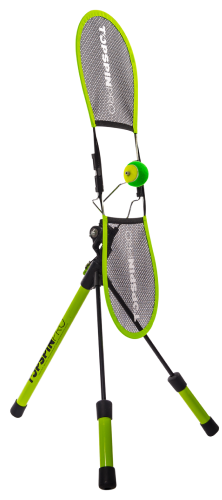
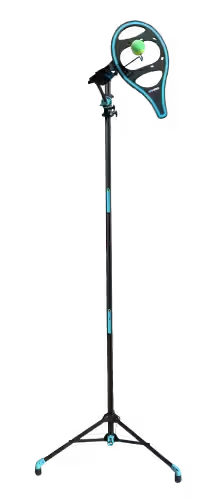
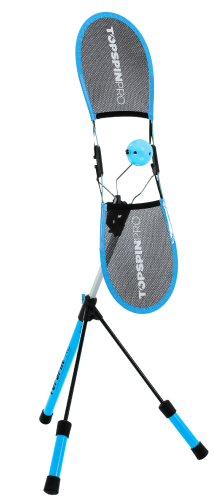
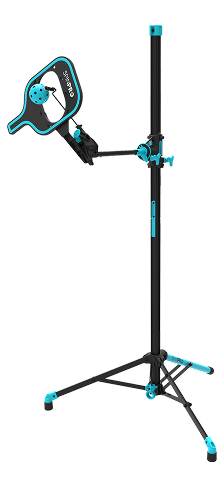
Learning to add topspin to a volley increases your chance of success and provides more options in your arsenal. You can practice on the TopspinPro:

Summary
Mastering the pickleball volley takes time, but understanding the rules and choosing the right shot will make the process much easier. Remember to stay outside the kitchen when volleying, keep your paddle in front, and use short, controlled movements. Attack higher balls with a punch or roll volley, while using blocks, drops, and resets when the ball is low or you are under pressure.
Above all, focus on consistency rather than power. Practice making contact in front, varying your grip pressure, and aiming with purpose. As your positioning and decision-making improve, you will feel more confident at the kitchen line, and the volley will become one of the most effective and enjoyable parts of your game.
Enjoyed this article?
Be sure to sign up for our newsletter and we'll keep you up to date about new posts