

The backhand slice is a fundamental shot in pickleball. Used in both singles and doubles, it can be a strategic tool for disrupting your opponent’s rhythm and creating opportunities to gain an advantage. In this article, we’ll explore the backhand slice technique, its benefits, and situations for using it in both singles and doubles play.
What Is Slice?
Slice, or backspin, is applied to a shot when the paddle travels from high to low down the back of the ball. The friction created by the paddle’s downward motion against the ball makes it spin backward. This backspin causes the ball to skid and bounce low when it lands, making it challenging for opponents to return aggressively.
Why Use Slice In Pickleball?
Using a slice in pickleball offers several advantages:
More Time
Adding slice to the ball slows it down. When hit with a little loft and depth, it gives you extra time to get up the NVZ line, especially when returning. This makes it an ideal shot for doubles. It can also be helpful to give you extra time when on the defensive in singles!
Lower Bounce
The slice causes the ball to stay low and skid upon bouncing, making it difficult for opponents to execute shots. It is especially useful against taller players or those with limited reach.
Disrupts Rhythm
A well-executed slice can change the game’s pace, throwing off your opponent’s timing and creating opportunities for unforced errors.
Improves Dinking
During net play, a slice can keep the ball low, making it harder for opponents to attack aggressively. It also keeps them guessing what shot you will choose if you mix it up with topspin.
Backhand Slice Technique
Grip
It’s best to use a continental grip, which allows for better control and maneuverability of the paddle.
Here’s how to find the continental grip:
View this post on Instagram
Stance
It’s best to use a more closed stance. Lead towards the ball with your dominant leg and shoulder. This helps keep your paddle on the correct path through the ball and avoid over-rotating your shoulders.
Swing Path
Start your swing high at around shoulder height and shoulders sideways. Swing the paddle in a downward direction, making contact with the ball in front of your body. The paddle face angle should be straighter to hit a lower trajectory or more open to loft the ball higher. The follow-through will vary depending on where you want the ball to go. Focus on extending it forward toward your target.
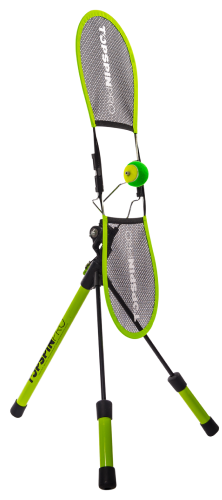
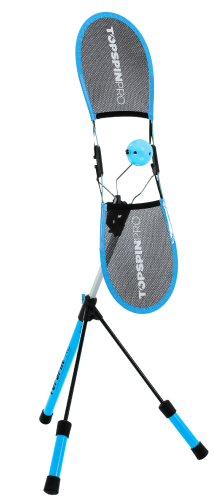
You can use the TopspinPro to learn the basic biomechanics of slice.
Here’s a video showing you how:

Backhand Slice For Singles
In singles play, the backhand slice can be particularly effective in the following scenarios:
Approach Shots
You can use the backhand slice when approaching the net. The low bounce can force a weak return, setting you up for an easy first volley. Be careful not to lift it up to high as this will then give your opponent a lot of time and probably an easy passing shot.
Defensive Situations
When you’re pushed to the back and sides of the court, a backhand slice can give you time to recover and reset the point.
Creating space
You can add a little extra side spin by hitting your slice more toward the slide of the ball and carving the ball away from your opponent. This is an excellent way to get them to take extra steps and open up the court.
Change of Pace
If your opponent is comfortable with fast exchanges, mixing in a backhand slice can throw off their timing and create unforced errors.
Backhand Slice For Doubles
In doubles play, the backhand slice can be a versatile tool for both the serving and receiving team:
Third Shot
The third shot is crucial in doubles. A backhand slice can be used to drop the ball in the opponent’s kitchen, keeping the ball low at the feet. It’s great to mix in for the drop now and then to keep your opponents guessing and change up the pace.
Defensive Lobs
When both opponents are at the net, a backhand slice lob can be a strategic shot to push them back and regain control of the point. The lower bounce and spin will make it harder for them to return.
Dink Exchanges
During dink exchanges at the net, a backhand slice can keep the ball low and make it challenging for opponents to attack.
Approach shot
You can get away with adding more height to your slice approach in doubles. This will give you more time to get into the net and be set for the 4th shot.
Tips For Improving
Use a SpinPro
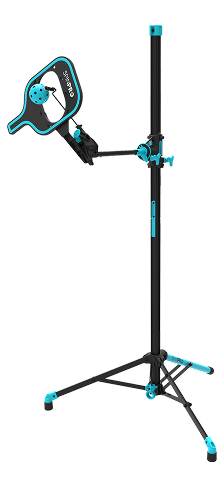
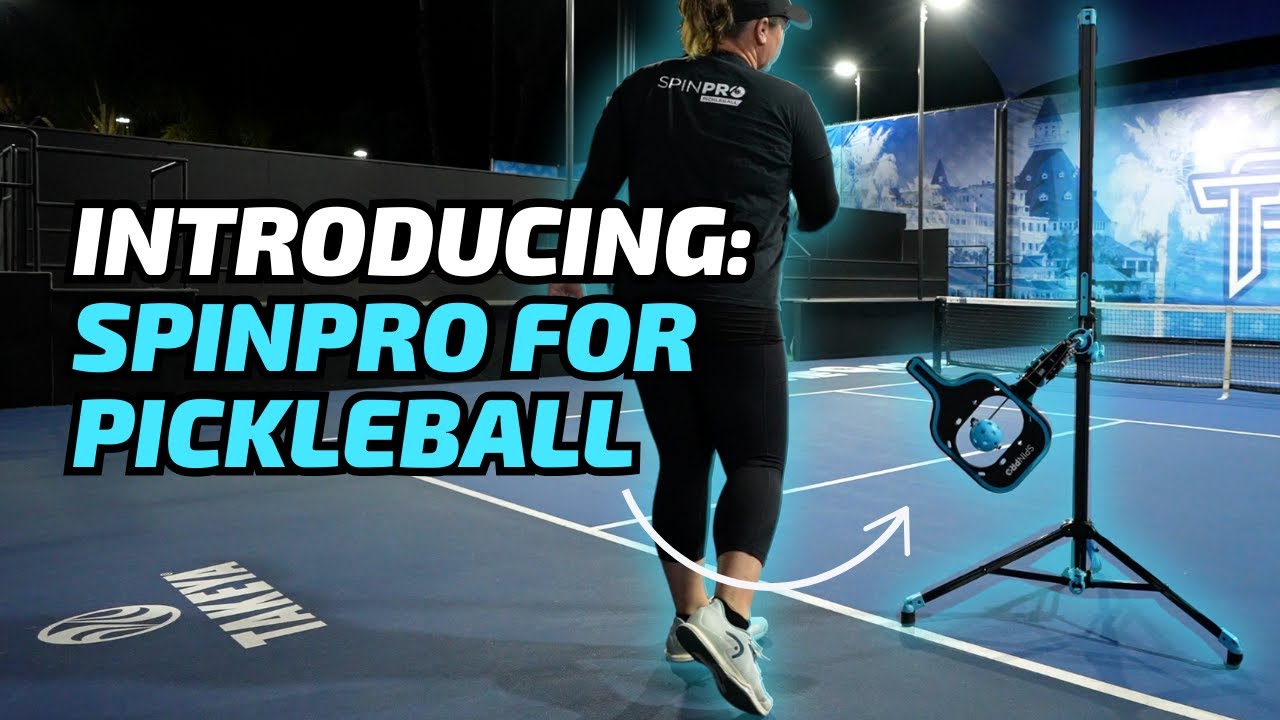
If you want to add more spin to your game or master certain techniques try the SpinPro. It’s a simple and effective way to learn the correct biomechanics without the pressure of an incoming ball!
Here’s how you can practice on the SpinPro:

Practice Regularly
Like any shot in pickleball, consistency with the backhand slice comes with regular practice. Spend time working on the shot during drills and practice matches. You can even practice against the wall or with a ball machine. The key here is regular practice, even if you practice for a couple of minutes daily to embed the muscle memory.
Train Footwork
Good footwork is essential for positioning yourself correctly and maintaining balance while executing the slice. You can make up your own footwork drills at home or get help from a pickleball coach or trainer. Any type of footwork training will help but if you can be specific with pickleball type movements.
Watch The Pros
Observing professional players can provide insights into effective slice techniques and strategic uses. It also helps to visualize how you should be hitting the ball.
Summary
The backhand slice is a versatile and strategic shot that can elevate your pickleball game in both singles and doubles. By mastering the mechanics and understanding when to deploy this shot, you’ll be able to control the pace of play, disrupt your opponents, and create more scoring opportunities. Whether you’re a beginner or an advanced player, incorporating the backhand slice into your repertoire can provide a significant competitive edge on the court.
FAQs
-
What exactly is a backhand slice in pickleball?
Slice, or backspin, is created when the paddle travels from high to low down the back of the ball. That downward friction makes the ball spin backward, skid, and bounce low when it lands.
-
Why should I add slice to my game?
A good slice slows the ball down, keeps the bounce lower, and disrupts your opponent’s rhythm. Hit with a little loft and depth, it can give you extra time to get up to the NVZ line or recover when you’re on defense.
-
What are the key technique cues for a backhand slice?
Use a continental grip and a more closed stance, leading toward the ball with your dominant leg and shoulder. Start high around shoulder height, make contact in front of your body, and extend the follow-through forward toward your target.
-
When is the backhand slice most useful in singles?
In singles, use it for approach shots, defensive resets, creating space, or changing the pace. Just be careful not to lift an approach slice too high, or your opponent may have plenty of time for an easy passing shot.
-
How can I improve my backhand slice more consistently?
Practice regularly, even just a couple of minutes daily, to embed the muscle memory. Work on footwork, use tools like the SpinPro or TopspinPro if helpful, and watch the pros to visualize how the shot should look.
Links Related to This Article
Enjoyed this article?
Be sure to sign up for our newsletter and we'll keep you up to date about new posts