

One of the biggest mistakes pickleball players make isn’t how they volley, it’s when they choose to attack.
Many points are lost not because of poor technique, but because of bad decision making, Often players try to hit winners off balls that simply aren’t attackable. Learning when to attack and when to reset is one of the fastest ways to improve your consistency, confidence, and win rate at the net.
Let’s look in more detail:
What Is The Volley?
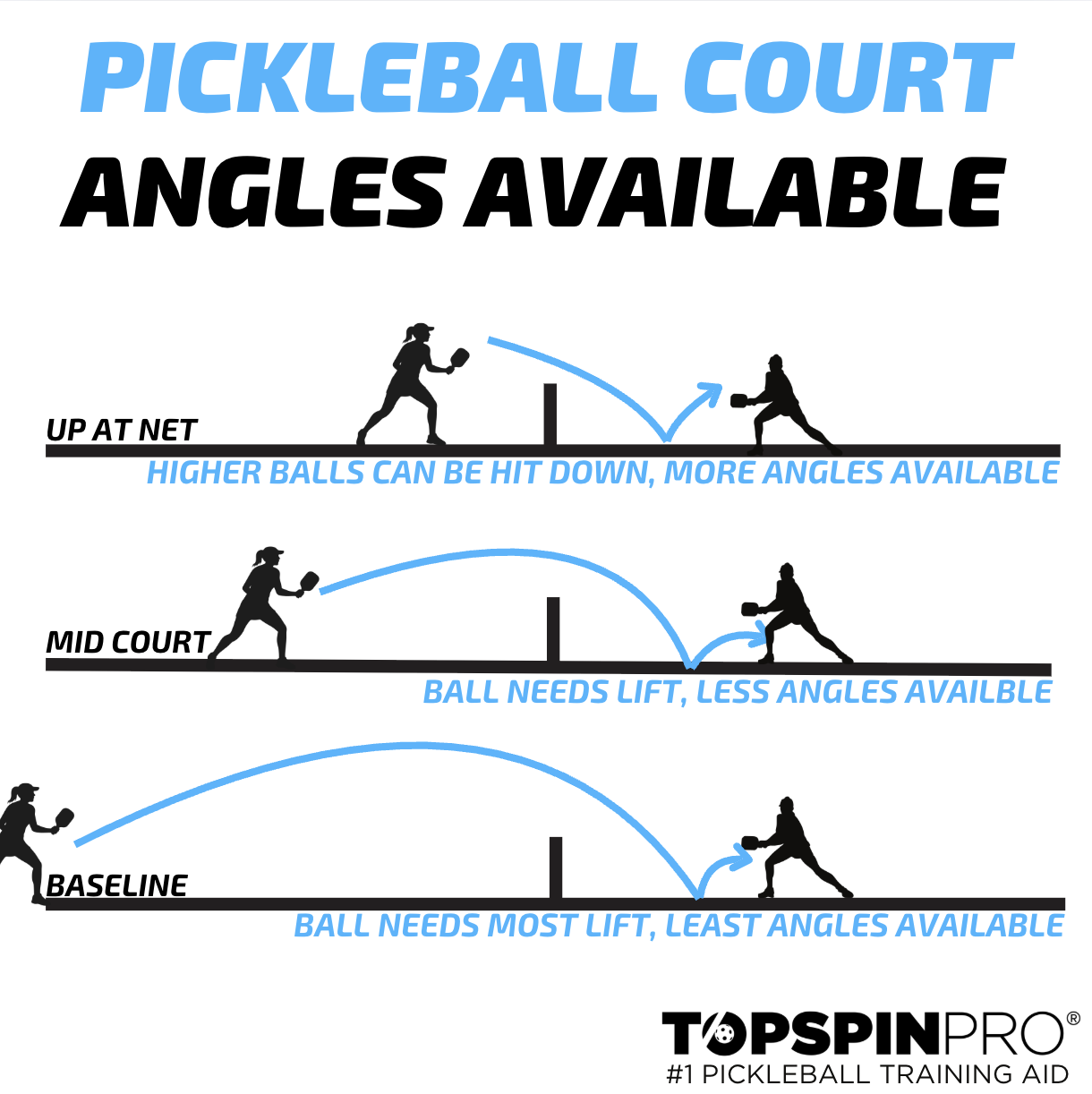
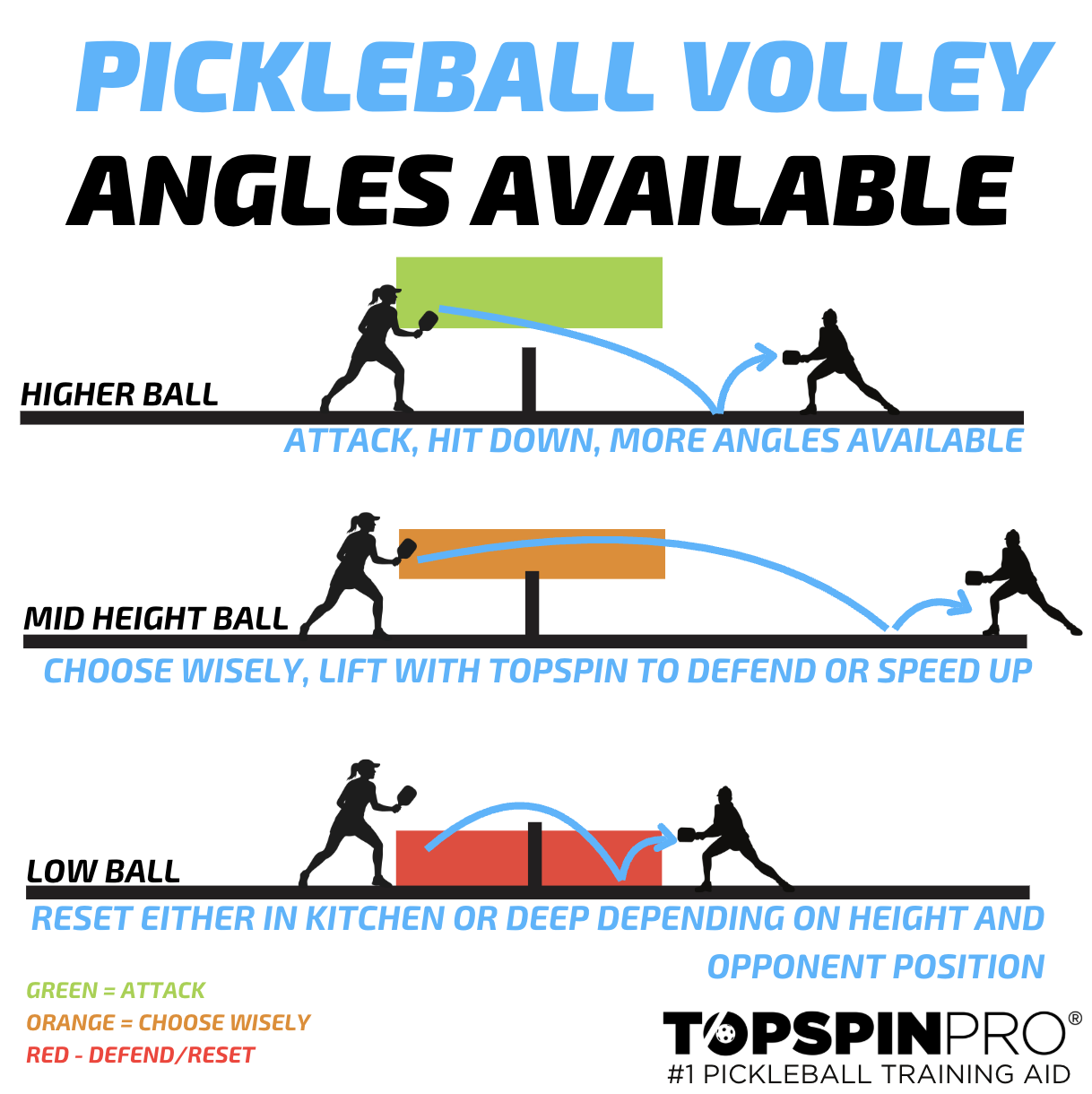
Technically a volley can be hit from anywhere on the court, It’s a ball that hasn’t bounced. But tactically it’s better to hit when closer to the net. The closer you are, the more angles that are available and the more you can hit down on the ball. See image below.
The Goal of the Volley
The purpose of a volley isn’t always to end the point. At the kitchen line, your primary objective is to maintain a strong position while applying steady pressure without giving away free points. Well-played volleys force opponents to hit up, move awkwardly, or attempt low-percentage shots, which is often how points are truly won. Sometimes that pressure comes from attacking the ball. Other times, the smartest and most effective choice is patience, keeping the ball low, controlled, and neutral until a clear opportunity appears.
Volley Zones
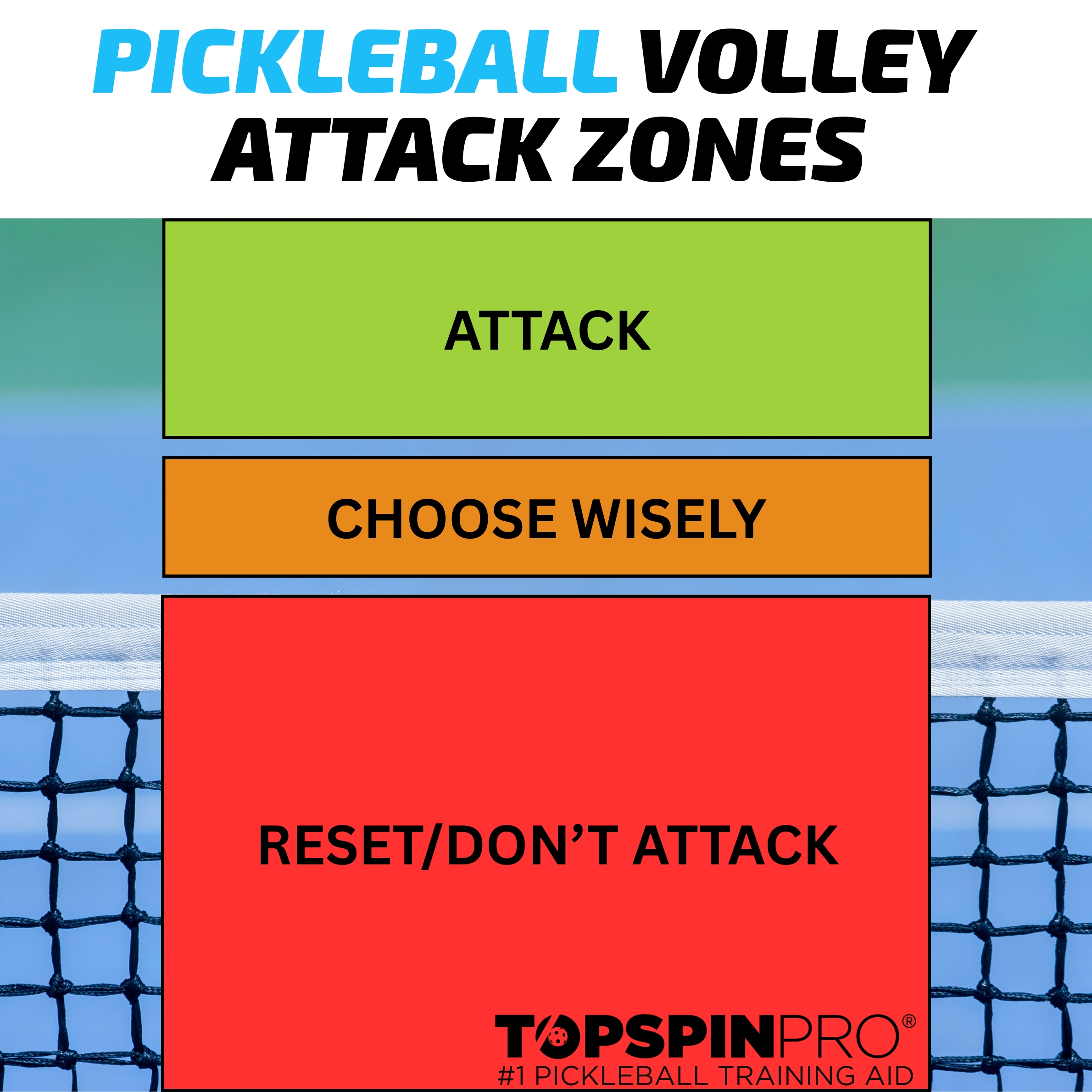
There is a general rule of thumb that you can use to help you make the best decisions when volleying. By understanding these zones you will eliminate a lot of bad decision making (see images above and below):
Green Zone - Contact above net height means you can generally attack the ball down, unless you are under pressure. Take advantage of this height to attack angles and use power to press your opponents.
Orange Zone - Balls that fall in this zone can either be hit more aggressively or defensively, depending on the situation. They generally have to be lifted, not hit directly down, but by adding topspin you can still pressure your opponents hitting deep or at their feet and also speeding up the ball.
Red Zone - Balls in this zone have to be lifted back up and over the net. Play with caution and focus on staying solid and reseting the ball back in the court where your opponent can't attack. It's easy to accidentally pop these up so stay relaxed to removed extra tension in you paddle hand.
When To Attack A Volley
Apart from the obvious green zone balls, there are other situations to think about when attacking a volley. Here's some of the situations that will help you hit a good attacking shot:
✅ The Ball Is Above Net Height
If the ball is clearly above the net, you can hit downward or into spaces. This reduces risk and increases margin. On higher balls hit with an overhead, on lower balls use the volley.
✅ You Are Balanced and Set
If your feet are stable and your body isn’t reaching or falling away, you’re far more likely to control the shot well.
✅ Opponents Are Out of Position
Attack when one opponent is still moving forward, there’s a gap in the middle, a player is leaning or off-balance.
✅ Gaps Are Available
When gaps open up aim for those and not the players. The middle opens up the most so keep a look out for that.
When To Not Attack A Volley
This is where most players go wrong with their decision making. Here are some times when you should avoid attacking:
❌ The Ball Is Below Net Height
Low volleys are defensive by nature. Trying to attack them often leads to balls into the net, pop-ups, easy counters for your opponents.
❌ You Are Reaching or Off-Balance
If you’re lunging, stretching, or late, your best option is control, not force.
❌ Opponents Are Set at the Kitchen
Two players standing tall, ready, and balanced at the net is not an invitation to attack unless you have an easy high ball.
❌ You Feel Rushed
Feeling rushed usually means the ball has already beaten you. In those moments, a block or reset keeps you in the point.
Common Volley Attack Mistakes
Some of the most common volley mistakes are from the below list. If you eliminate just one of these, your consistency will improve immediately.
• Attacking low balls
• Swinging too big at the net
• Aiming for winners instead of percentages
• Attacking straight back to a set opponent
• Forgetting balance and footwork
A Simple Rule to Remember
If you can hit down → attack.
If you have to hit up → reset.
This one rule alone can transform your decision-making at the kitchen line.
Volley Practice
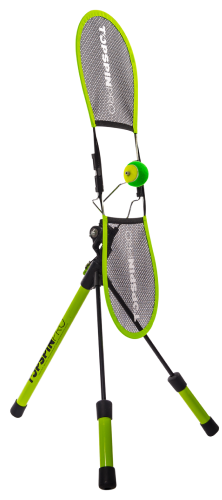
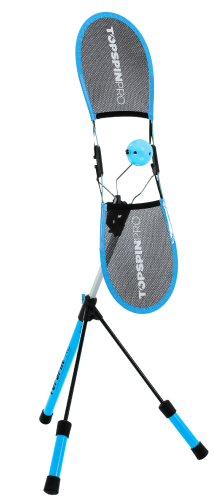
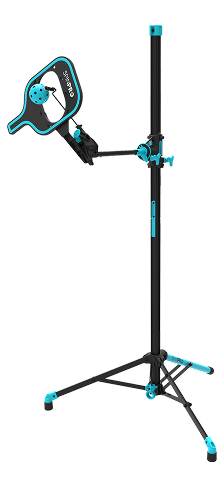
If you need a little extra practice with your volleys you can master topspin with both the TopspinPro and SpinPro (see below) all from the comfort of your own home and without stepping on the court!

Final Thoughts
Great pickleball players aren’t aggressive all the time, they’re selectively aggressive. Knowing when not to attack is just as important as knowing how. The players who win more points are the ones who stay patient, wait for the right ball, and then strike with purpose.
Control first. Pressure second. Power last.
FAQs
-
What is the main mistake pickleball players make with volleys?
Many players lose points not because of poor volley technique, but due to bad decision making about when to attack. Knowing when to attack and when to reset improves consistency and confidence.
-
Where is the best place on the court to hit volleys tactically?
Although volleys can be hit anywhere, it’s better to volley closer to the net. Being near the net gives you more angles and the ability to hit down on the ball effectively.
-
What is the key rule for deciding whether to attack or reset a volley?
If you can hit the ball down, you should attack. If you have to hit up, it’s smarter to reset the ball and maintain control.
-
When should you avoid attacking a volley?
Avoid attacking low balls below net height, when you are off-balance, if opponents are well positioned at the net, or when you feel rushed. These situations call for control and resetting rather than aggression.
-
What are common volley attack mistakes to watch out for?
Common errors include attacking low balls, swinging too big, aiming for winners instead of percentages, attacking set opponents directly, and neglecting balance and footwork.
Enjoyed this article?
Be sure to sign up for our newsletter and we'll keep you up to date about new posts