
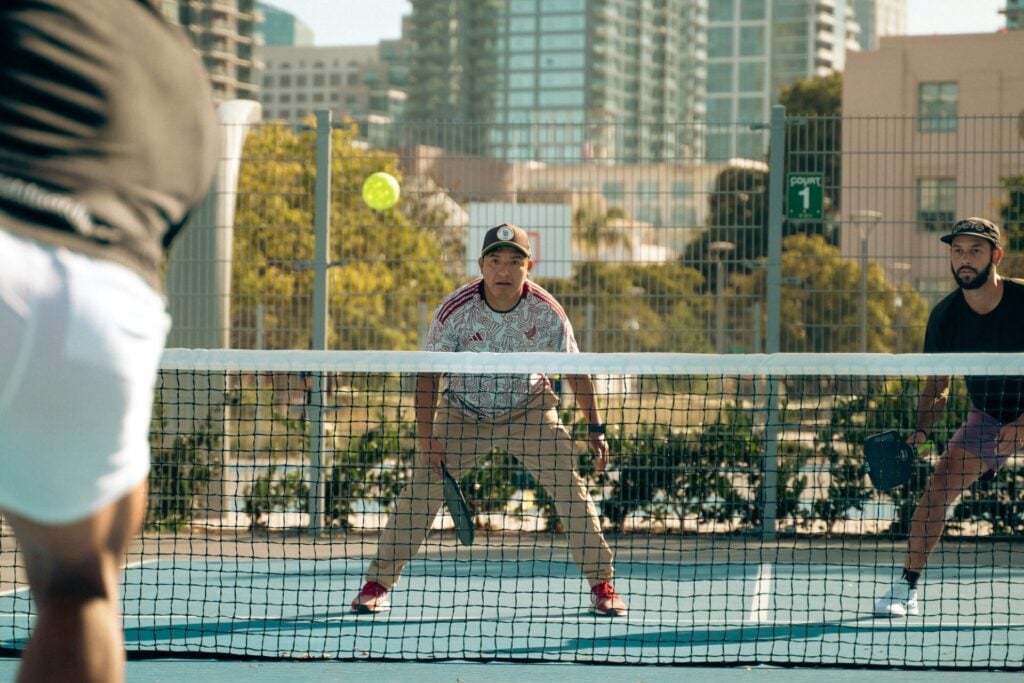

Pickleball is a relatively easy game to pick up, which is one of the main reasons it’s become so popular. You can head down to your local courts, jump into a few drop-in games, and start rallying almost straight away. The basics come quickly, and early progress feels fast and rewarding.
But where the game starts to become more challenging is when you begin playing regularly and actually want to improve your level. At that point, it’s no longer just about keeping the ball in play, you need to start thinking about what you’re trying to do with each shot to win the point. Strategy suddenly becomes important.
This is where a lot of players plateau. They keep playing, keep rallying, but don’t really move forward. That’s because improving at this stage requires more than repetition, it requires a better understanding of how to use the ball.
So let’s simplify it and give you something you can apply straight away. There are four key targets you should focus on to begin with:
5 Ket Tactical Targets
1. Their Feet
Most players think they should always attack into the open space. And while that can work in singles, it’s much harder to execute effectively in doubles. The court is smaller, there are two players covering it, and the space disappears very quickly.
In doubles, attacking the space isn’t really about hitting outright winners. It’s more about creating space over time by moving your opponents out of position. The problem is, those clear opportunities don’t come up that often, especially against better players. That’s why your number one tactic should be much simpler and more reliable…aim for your opponent’s feet. And if you remember one thing from this article, make it that!
Why Hit At The Feet?
- Forces opponents to hit the ball up – The more the ball is lifted, the easier it is for you to attack and keep pressuring your opponents.
- Limits their ability to attack – Having the ball landing by your feet means you will often be jammed and struggling to control the ball. It’s basic survival mode.
- Pushes opponents back – If the ball flies at your feet you naturally have to move back to have space to hit. It’s a great way to push your opponents back and keep them back.
When To Use
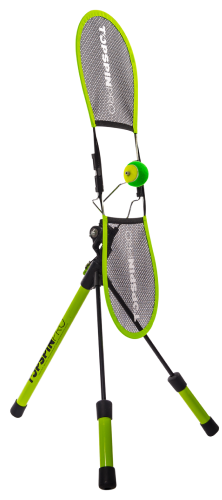
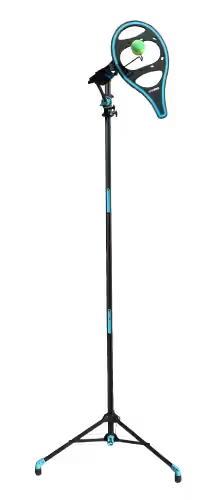
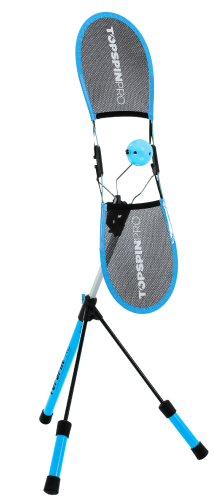
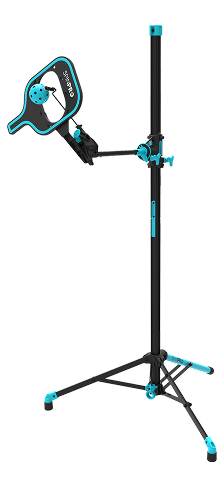
Targeting the feet should be used at all times, whether your opponents are back at the baseline, transitioning forward or up at the kitchen. One of the best ways to apply pressure at the feet is by using topspin. This causes the ball to dip faster and kick up making your opponents more likely to pop the ball up. You can practice your topspin using both the TopspinPro and the SpinPro. Here’s an example below:

2. The Weaker Player
It might not feel like the friendliest thing to do, but targeting the weaker player is one of the simplest and most effective strategies in doubles.
If there’s a clear difference in level between your opponents, it makes sense to direct more of the play towards the player who is struggling. Over time, that pressure builds and often leads to more mistakes.
However, it’s not always about who is the “weaker” player overall, it can also be about who is weaker in that specific situation.
For example, one player might be very comfortable with dinks and control at the kitchen, while the other struggles in those exchanges. In that case, it’s more effective to keep the ball away from the stronger player and direct it towards the one who is less comfortable in that scenario.
Taking it a step further, a good strategy is about constantly recognizing these small differences and adjusting where you hit the ball accordingly. Instead of thinking about your opponents as equal, start identifying who is under more pressure in each moment and play towards that.
3. The Middle
The middle of the court is massively underrated. A lot of players aim to the outside because it looks more of an obvious place to attack. But, there are plenty of reasons why down the middle is often best:
- It reduces angles that your opponents can return with – The more angle you hit, the more angle can be returned. Keeping it central stops you being stretched wide and separated from your partner.
- It creates confusion between the two players – This is especially with people who aren’t used to playing together. Communication is key in pickleball and you will keep testing your opponent’s cohesiveness by keeping it down the middle!
- Safer and more consistent place for you to aim – Down the middle is away from the outside lines and also over the lowest part of the net.
- Can force a pop up from a good drive, keeping you on the attack – Adding pressure with a drive can force a pop up due to slow reactions or bad communication.
4. Their Weakest Side
Most players have a weaker backhand, but sometimes it can be the forehand. Make sure in the warm up or the first few points of the game that you are trying to assess which is their weaker side and then make them use it.
Hitting to the weaker side:
- Reduces attacking options – Most players have less shot choices with their weaker shot so it becomes more about just getting the ball in.
- Forces more defensive shots – Because most players have less choices with their weaker shot they will be forced to defend on a lot more balls than on their stronger side.
- Adds mental pressure – We’ve all been there. The panic sets in when your less reliable wing is under attack! Ruffle their feathers by zoning in on that weaker side.
5. Away From Their Comfort Zone
This is where strategy becomes more advanced. We already covered this earlier in the article and you don’t want to use this tactic too much until you have mastered the first 4. This is about hitting into the spaces a little more and having your opponents move and stretch to reach the ball.
Some players struggle covering balls in different directions. Here’s some choices for moving them out of their comfort zone.
- Move them wide – Stretching someone laterally puts them under pressure to recover fast to close the gap. This is one of the more effective ways to pressure your opponents when they are up at the kitchen. It’s easier to hit angles when you are closer to the net.
- Pushing them back – Pushing your opponent back will automatically throw them off balance and make them more likely to pop the ball up. Think back to earlier in the article when we talked about using topspin at the feet.
- Moving them forward – Now this is a tactic that isn’t recommended most of the time because your goal is to keep your opponents back. But, if you have a player who doesn’t move so well or they give you an easy ball where you can drop it short, then go for it every now and then. It will keep them on their toes and guessing.
The goal is simple, make them move and adjust. The more they have to adjust, the more likely they are to make mistakes!
How to Practice This (Even on Your Own)
You don’t need a match to work on this. You can train all of these skills on your own, with a drill partner or with a ball machine.
Here’s some examples:
Improve topspin – Topspin is the key to power and control. Master this first to then more easily apply your tactics. Practice at home on either the TopspinPro or SpinPro and then advanced your skill on court with a partner or ball machine.
If you need a little more help with your topspin you can check out our course below:

Controlling depth – Practice this with a ball machine or with a drilling partner.
Target practice – A great way to be able to aim for feet, the middle or simply move your opponents around the court. Practice this on court using targets or zone areas.
If you need some more inspiration for practicing on your own then check out: How To Practice Pickleball Alone And Love It
Summary
If you want to win more matches, stop thinking only about how to hit the ball and start thinking about where you’re hitting it and why.
The players who win aren’t always the ones with the best technique, they’re the ones who make better decisions and use the ball with more purpose.
If you want any more help with your tactics then check out some of our other articles at topspinpro.com/blog.
FAQs
-
What should I aim for first if I want a simple pickleball tactic that works?
Aim for your opponent’s feet. If you remember one thing, make it that: balls at the feet force opponents to hit up, limit their attack, and often push them back into survival mode.
-
Is attacking open space always the best play in doubles?
Not really. In doubles, the space disappears quickly, so it’s usually more reliable to create pressure over time rather than chase outright winners into gaps.
-
When does it make sense to target the weaker player?
If there’s a clear difference in level, direct more of the play towards the player who is struggling. But it’s not always about who is weaker overall; look for who is less comfortable in that specific situation and play towards that.
-
Why is hitting down the middle so effective?
The middle is massively underrated because it reduces the angles your opponents can return with, creates confusion between partners, and gives you a safer, more consistent target. A good drive down the middle can also force a pop up and keep you on the attack.
-
How can I practice these tactical targets without playing a match?
You can train them on your own, with a drill partner, or with a ball machine. Work on topspin first for power and control, then use target practice and depth control to aim for feet, the middle, weaker sides, and areas that make opponents move and adjust.
Enjoyed this article?
Be sure to sign up for our newsletter and we'll keep you up to date about new posts