



Most players warm up, but very few warm up in a way that actually prepares them for tennis. The average adult player arrives at the court after sitting all day at work or rushing around doing errands, then jumps straight into hitting. Even if they start slowly, like rallying from the service line, it still doesn’t properly prepare the body for the real physical demands of the game.
Tennis requires you to move like an athlete, no matter your level. Unlike activities such as jogging, where movement is steady and repetitive, tennis involves explosive power, rapid changes of direction, and the endurance to sustain repeated high-intensity efforts over the course of a match or practice session.
Standing around chatting while doing a few arm swings, touching your toes for ten seconds, or jogging lightly to the net and back might feel like preparation. But these actions don’t match what your body is about to experience once the first point begins. Without the right type of preparation, your muscles, joints, and nervous system are still in “rest mode” when the game demands speed, control, and power.
What Tennis Actually Demands
Your warm-up should include elements that reflect the full range of movements used in tennis. When we break it down, certain areas of the body do more work than others and are also where injuries most commonly occur. These are the regions that need to be mobilized, activated, and ready to share the load before you start playing. If they aren’t prepared, stress shifts to the joints and tissues that aren’t designed to handle it alone.
Let’s look more closely at the key body parts that take the most strain in tennis and where problems are most likely to develop if your warm-up doesn’t target them properly:
1.Serve and Overhead
Most stressed areas - Shoulder (rotator cuff), elbow (especially triceps tendon), lower back, knees (during drive upward), achilles (pushing up).
The serve and overhead are the most explosive movements in tennis. They combine shoulder rotation, overhead arm speed, spinal extension, and leg drive. Poor shoulder strength or tight mid-back mobility often shifts stress to the rotator cuff or lower back.
2.Forehand
Most stressed areas - Elbow (especially lateral elbow / tennis elbow), shoulder, lower back, hips.
Repeated rotation through the trunk plus arm acceleration places load on the shoulder and elbow. If hip mobility or core control is limited, the lower back compensates.
3.Backhand (Two-Handed)
Most stressed areas: Lead shoulder, elbows (both arms can be affected), upper back, hips
The two-handed backhand requires strong trunk rotation and upper-body coordination. Poor thoracic mobility often leads to shoulder overload.
4.Backhand (One-Handed)
Most stressed areas - Elbow (medial and lateral), shoulder, wrist, upper back
The one-hander places high demand on arm control and timing plus shoulder strength. Without strength and stability, stress goes into the elbow and shoulder.
5.Volleys
Most stressed areas - Elbow, shoulder, wrist
Quick reactions and flatter contact without a big backswing mean the arm absorbs impact forces repeatedly. The direct forces are larger than with topspin or slice groundstrokes where the ball is being "rolled" more.
6.Return of Serve/ Wide Defensive Shots / Stretch Shots
Most stressed areas - Groin, hips, knees, ankles
Extreme lateral lunging and sudden stopping load the lower body heavily. Fast reaction, quick deceleration put huge strain on the muscles.
7.Sprinting & Change of Direction (Movement between shots)
Most stressed areas - Knees, achilles tendon, calves, ankles
Deceleration puts high forces through the lower body. Pushing off adds extra forces through the calves and achilles.
The Problem With Traditional Warm-Ups
For years, warm-ups were built around static stretching holding stretches for muscles like hamstrings, calves, and shoulders. While flexibility is important, static stretching doesn’t get the blood flowing or muscles activated. That’s why static stretching is better suited to after your playing session. It helps lengthen out your tight muscles again after working them.
A proper tennis warm-up should gradually increase heart rate, improve joint mobility, and activate the muscles you rely on most during play. Dynamic warm ups where you stretch whilst moving are a much better way of getting your body primed for tennis.
What Dynamic Warm-Ups Do Differently
Dynamic warm-ups include movements that take joints through their full range of motion, mimic on court actions and engage muscles whilst they are moving. Some examples include arm swings, shuffle steps and torso rotations.
Most minor strains and tweaks happen early in a session, not late. That’s because cold muscles and unprepared joints are suddenly asked to handle high forces. When the muscles that should absorb load aren’t switched on, stress travels to the joints knees, shoulders, elbows, and lower back.
A good dynamic warm-up helps the body share the load properly, reducing unnecessary strain and improving control in your movements.
The Correct Order For Your Tennis Warm Up
The order of your warm-up matters just as much as the exercises you choose. It should move from general to specific, gradually preparing your body for the intensity of tennis:
- Increase Heart Rate - Start by raising your heart rate with light full-body movement such as brisk walking, skipping, or gentle court jogs to increase blood flow and body temperature.
- Dynamic Stretching - Next, focus on dynamic movements that take your hips, shoulders, spine, and ankles through their range of motion. Once mobility is improved, move into activation work, targeting key muscles like the glutes, core, and upper back so they’re ready to stabilize your joints.
- Movement Drills - Spend a couple of minutes doing some low-level movement drills such as side shuffles, split steps, and short acceleration efforts to prepare for speed and changes of direction.
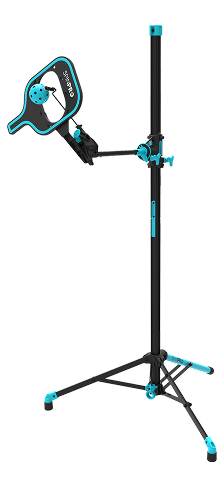
- Tennis Action - Finally, transition into tennis-specific actions like shadow swings or hits on the TopspinPro (see below). This helps you activate your kinetic chain as a whole, focus on your contact point and get your eyes locked in to the ball.
Better Fitness and Conditioning
By building a stronger foundation of fitness and tennis-specific conditioning, you can significantly reduce your risk of injury while also improving how you move and perform on court. If you’re not sure where to start, our easy-to-follow fitness course is designed to guide you step by step.
We’ve created a 7-day starter program with simple 15-minute workouts that fit easily into a busy schedule. Once you’ve completed that, you can move on to targeted 20-minute sessions focusing on key areas for tennis players cardio, upper-body strength, core stability, leg strength, and footwork.
Tennis Fitness Foundations: Developing Tennis Fitness with TopspinPro

Conclusion
For most players, and especially as we get older, a proper warm-up isn’t an optional extra. It’s the bridge between daily life and the physical demands of tennis, and very few people go through years of play without consequences if they skip it. Whether you’ve been sitting at a desk all day or rushing from one task to another, your body isn’t automatically ready for explosive serves, quick changes of direction, and repeated high-speed swings.
Taking just a few focused minutes to prepare your muscles, joints, and movement patterns helps you step onto the court feeling sharper, more balanced, and more in control. Over time, this doesn’t just reduce the risk of injury, it improves how you move, how you react, and how consistently you perform. Warming up correctly means spending more time playing well and less time dealing with soreness that could have been avoided.

FAQs
-
Why is a traditional warm-up not enough for tennis players?
Traditional warm-ups like static stretching or light jogging don’t prepare the body for tennis’s explosive and varied movements. They fail to activate muscles and joints properly, leaving the body in “rest mode” when the game demands speed and power.
-
Which body areas are most stressed during tennis and need special attention in warm-ups?
Key stressed areas include the shoulders, elbows, lower back, hips, knees, ankles, and wrists. These parts handle the brunt of movements like serves, forehands, backhands, volleys, and quick directional changes, so warming them up reduces injury risk.
-
What makes dynamic warm-ups better suited for tennis preparation?
Dynamic warm-ups involve moving stretches that increase heart rate, improve joint mobility, and activate muscles while mimicking tennis actions. This approach better prepares the body for the quick, powerful movements tennis requires.
-
What is the recommended order for an effective tennis warm-up?
Start by raising your heart rate with light activity, then perform dynamic stretching to improve mobility and activate key muscles. Follow with movement drills like side shuffles and split steps, and finish with tennis-specific actions like shadow swings.
-
How does proper warm-up impact tennis performance and injury prevention?
Proper warm-ups help muscles and joints share loads correctly, reducing strain and injury risk. They also improve balance, control, and reaction times, allowing you to play sharper and more consistently while minimizing soreness.
Enjoyed this article?
Be sure to sign up for our newsletter and we'll keep you up to date about new posts