
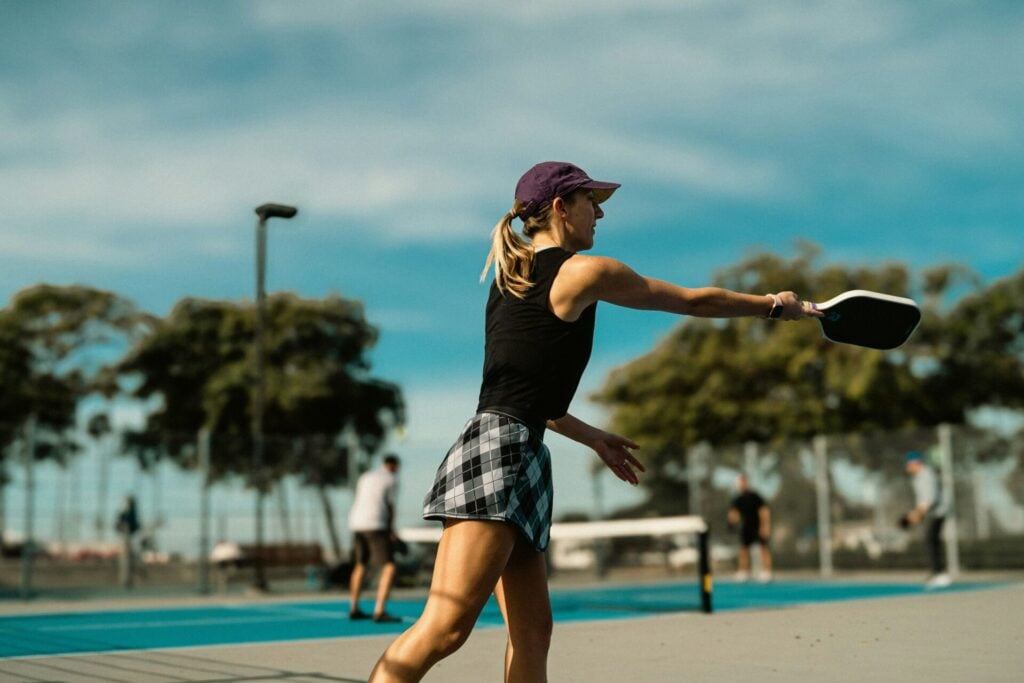

How to Stop Popping the Ball Up in Pickleball
Whether it was you or your partner, popping that ball up so your opponents can smash it right back at you is one of the most frustrating things in pickleball. One second you’re in the rally, the next second you’re ducking for cover while your opponents put the ball away. And if you’ve ever been caught with a body bag shot straight to the body, you know those mistakes can be painful too.
What makes pop-ups even more frustrating is that they often happen on shots that feel routine and not so pressured. Maybe it was a drop that floated too high, a mistimed drive, or a reset that sat up just enough for your opponents to attack. At recreational levels especially, many points aren’t won with amazing winners, they’re lost because someone gave their opponents an easy ball to punish.
The good news? Pop-ups are usually not random mistakes or signs that you “just aren’t good enough.” In most cases it comes from rushing a little or panicking and a small number of technical issues that are completely fixable once you know what to look for. Things like paddle angle, footwork, contact point, swing size, and grip pressure all play a huge role in whether the ball stays low or floats up into their attack zone.
Once you learn how to control those fundamentals consistently, you’ll immediately notice fewer aggressive balls coming your way, and longer rallies that you can start to dictate.
What Is a Pop-Up in Pickleball?
It might sound pretty obvious but you have to be able to distinguish between a regular shot and a pop-up. Now, the words “pop-up” make it sound like the ball is really high, but that is not always the case.
A pop-up is basically any ball that you have lifted more than necessary and that ends up in a zone your opponents can attack. This could be high and attackable with a volley or smash, or it can be a ball that bounces up into a zone they can comfortably attack with a drive or speed up.
Why Pop-Ups Happen in Pickleball
So, let’s look a little closer at some of the most common reasons that pop ups happen in pickleball:
1. You Are Gripping Too Tight
This is the most common mistake for the pop up. Often when we are under pressure we panic, get tight, and then hold our paddle even tighter! The tighter you hold it, the more the ball will pop off the paddle face, the softer you hold it the less the ball will pop off. Think “soft hands” when you want to reset with control.
2. Your Paddle Face Is Open
Often when we are panicked or rushed we naturally open our paddle face. This can be because of tightness and also leaning back because we are under pressure. Body weight shifting backwards and an open paddle face only lead to one thing…a high ball. And, unless you have hit the shot of the day, you are probably going to scoop that ball right into their attack zone!
3. You Are Off Balance
The key to a solid shot in pickleball is balance, either static balance or dynamic balance. Static balance is staying stable while still, whereas dynamic balance is staying stable while moving. If you are off balance when you contact the ball, it probably won’t go where you want it to. Often the result is a pop-up!
4. You Are Hitting Too Hard
One of the reasons why pickleball is so fun is that you can really whack the ball! But, many players hit it hard all of the time. You need to know if you are in a position to attack, or whether you are neutral or defending. When you are defending, you probably don’t want to be hitting that ball with a lot of power. It’s going to be more about resetting it or placing it in an area where you can stop their attack. Hitting hard back at them can throw off your timing and give them an easy pop-up.
5. You Are Trying To be a Hero
I get it, some of the most fun shots in pickleball are the most outrageous. Those are the shots we remember the most, but they don’t win us matches. In fact going for shots often result in more misses or pop-ups than they do winners. Keep it simple, especially when under pressure.
6. You’re Not Using Any Spin
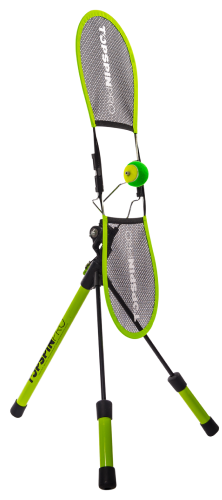
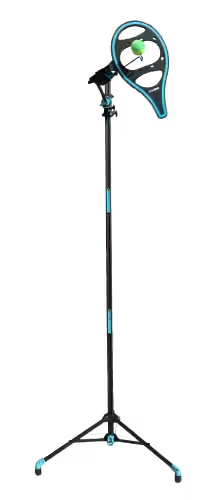
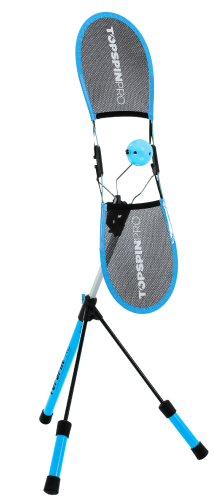
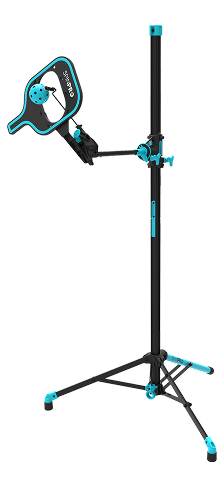
Spin and especially topspin helps keep the ball lower than an equivalent flat shot. If you aren’t using spin you will struggle to keep that ball down. If you need help mastering you spin check out the TopspinPro or the SpinPro.
Best Drills to Stop Pop-Ups
Wall Control Drills
Wall drills are some of the best ways to develop your skills. Try drills like hitting dinks with a soft grip or alternating between a hard forehand and a softer reset. This is a great way to focus on balance, paddle angle and grip strength.
For an in-depth guide for wall drills check out this blog: Pickleball Wall Drills
Here’s some example dink drills:

Reset Partner Drills
Have a partner feed harder balls while you practice resetting softly into the kitchen. You can also make it a little harder and have them attack anything back at you that’s a pop-up. Try standing in the transition zone and have them up at the kitchen. Then try to drop the ball in the kitchen and have them attack anything that’s too high. This is a great way to work on your hand softness, contact point and balance under pressure.
Topspin Drills
Use the TopspinPro or SpinPro at home to master your topspin. This is a great way to learn the correct biomechanics in your spare time and without the pressure of having to head to the courts.
Here’s an example of how to practice the topspin forehand on the TopspinPro:

Summary
Pop-ups are frustrating, but they’re also one of the most fixable problems in pickleball. Once you understand why they happen and start paying attention to things like grip pressure, paddle angle, balance, shot selection, and spin, you’ll gain far more control over your game.
The goal isn’t to hit perfect shots every time, it’s to stop giving your opponents easy attack opportunities. With a little awareness and consistent practice, you’ll keep more balls low, stay in rallies longer, and start forcing your opponents into mistakes instead of the other way around.
FAQs
-
What counts as a pop-up in pickleball?
A pop-up is any ball you have lifted more than necessary and that ends up in a zone your opponents can attack. It does not have to be really high; it could be a volley, smash, drive, or speed-up opportunity.
-
Why do I keep popping the ball up when I feel under pressure?
Often when we are under pressure we panic, get tight, and hold the paddle even tighter. The tighter you hold it, the more the ball will pop off the paddle face, so think “soft hands” when you want to reset with control.
-
How does paddle angle cause a high ball?
When you are rushed or leaning back, the paddle face often opens naturally. Body weight shifting backwards and an open paddle face only lead to one thing…a high ball into their attack zone.
-
Should I hit harder to stop my opponents attacking?
Not if you are defending. You need to know if you are in a position to attack, or whether you are neutral or defending; when defending, it is more about resetting or placing the ball where you can stop their attack.
-
What drills help reduce pop-ups the fastest?
Wall control drills are great for balance, paddle angle, and grip strength, especially dinks with a soft grip or switching between a hard forehand and a softer reset. Reset partner drills also help because you practice soft resets into the kitchen while your partner attacks anything that is too high.
Enjoyed this article?
Be sure to sign up for our newsletter and we'll keep you up to date about new posts