
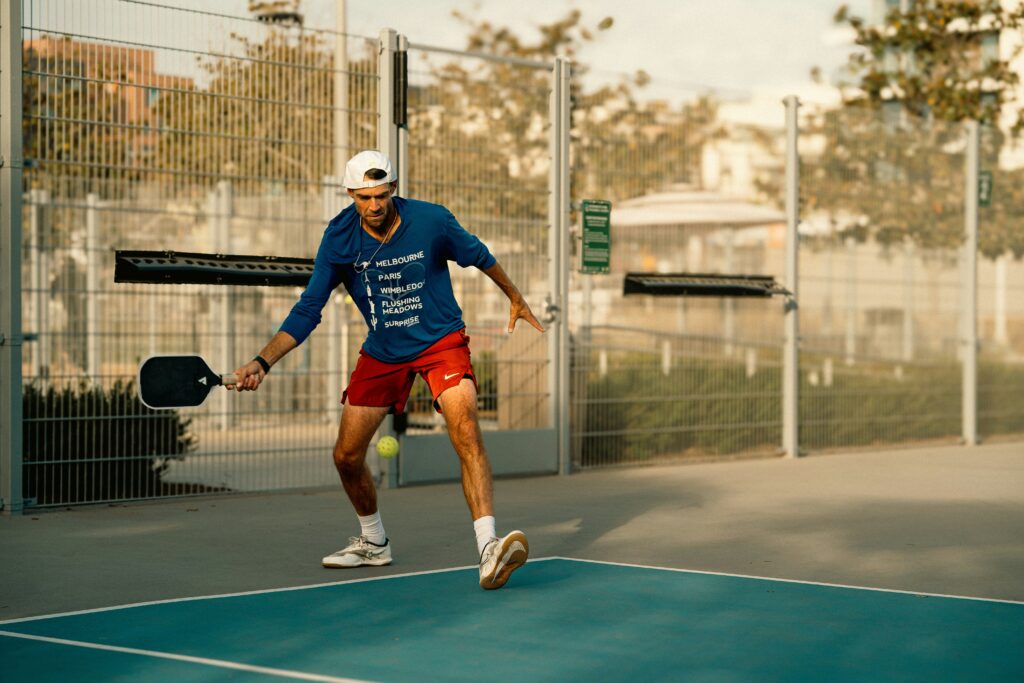

You’ve been playing for a while. You’ve got your gear dialed in. You’re hitting the courts a few times a week, maybe even more. And yet…your game feels stuck. Does this sound like YOU?
Don’t worry, you’re not alone. Plateaus in pickleball are common, especially between the 3.0 and 4.0 levels, but they’re also avoidable. Let’s break down why you might not be improving in pickleball and what you can do right now to turn it around!
1. You’re Playing, But Not Practicing
Let’s be honest, we all do it! Recreational play is fun, fast-paced, and incredibly addictive. It’s one of the biggest reasons people fall in love with pickleball in the first place. The social connection, the friendly competition, and the joy of simply hitting the ball, it’s what keeps us coming back.
But here’s the truth: playing alone won’t fix your weaknesses. In fact, it does the opposite, it reinforces them.
During games, we tend to fall back to what’s comfortable. We avoid the shots we’re unsure of. We steer away from our backhand, skip that third-shot drop, or wildly swing at volleys without much control, all because we’re focused on winning the point, not developing our skills. Over time, this creates a pattern. Those same habits become permanent, and without targeted practice to correct them, they become harder to change.
Playing is important, but practicing with intention is what leads to real improvement.
If you want to level up your game, carve out time for drills, focused reps, and skill isolation. That’s where breakthroughs happen.
What To do:
- Practice Sessions – Dedicate at least 1–2 sessions a week to focused drilling. Aim for 50% of your playing time per week to be drills and the other half matchplay (rec or competitive). See the video below for simple drills you can practice at home!
- Pick a Topic – Identify 1–2 skills to be focused on. These can be technical or tactical or both. You should aim to always be working on something, even if it’s as simple as improving your return of serve depth.
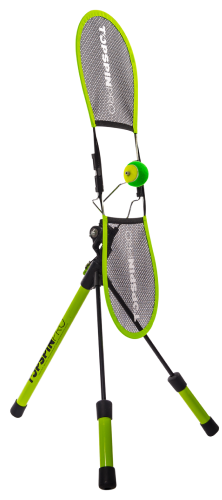
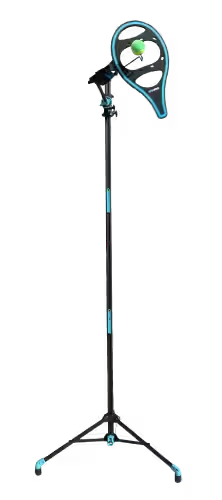
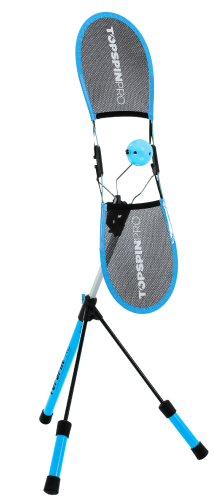
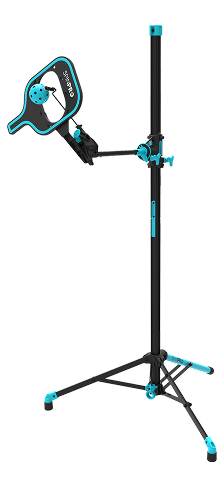
- Training Aids – Use tools like the TopspinPro or SpinPro or use a wall to practice technique with repetition and less pressure. Here’s a guide on “How To Practice Pickleball Alone And Love It”
- Accountability – Get a drilling partner or coach. There’s nothing like accountability to keep you on track!

2. You Don’t Have a Clear Improvement Plan
As we have mentioned above, just playing doesn’t get you to the places you want to go! If you’re showing up and hoping to “just get better,” you’re relying on luck instead of intention. The best thing to do….have a pickleball plan!
What to do:
- Set Goals – Know what your long term goals are. Are you wanting to make that 4.5 group, play your first tournament, compete at pro level? Once you know your long term goal you can break it up into more achievable short term goals along the way.
- Develop a Plan – Once you know what your goals are you can create a plan to get there. It could be simply mapping out your on and off court training schedule or adding in a tournament schedule.
- Rewards – Reward yourself along the way and then adjust your training depending on what’s working and what’s not!
3. You’re Not Practicing The Correct Things
It’s human nature to avoid what we’re bad at. It’s hard to practice things that don’t come naturally or require that extra effort. But in pickleball, those weak spots get exposed fast, especially in doubles.
What to do:
- Analyze your play – Not all weaknesses are glaringly obvious. So take the time out to analyze your game, maybe even have a lesson or two. Video analysis is a great way to pick up some areas that need some work. But be honest about your weak link. Is it your backhand? Your serve return? Your footwork? Don’t shy away from the hardest thing to practice, because it could make the biggest difference to your game!
- Add it to your plan – Don’t just occasionally practice that weakness, add it to your training plan. Spend 80% of your practice time improving that weakness and 20% maintaining strengths. Then move onto something else.
4. Your Footwork Isn’t Keeping Up
A lot of people see pickleball as a light, social game, and for some, it is. But if you’re one of the many devoted players spending hours on the court every week, it’s a different story. Not only do you need to protect your body from overuse and injury, but your footwork needs to be just as dialed-in as your shots.
What to do:
- Conditioning – Add some time in your weekly calendar for some conditioning work. if you don’t have time to go to the gym, even doing a few body weight exercises plus stretching at home can go a long way.
- Footwork Drills – If you do have time for some extra training then stick in some footwork drills. These can be at home or on court. There are plenty of videos you can copy on YouTube to make your training easier!
- Strength Training – There’s no doubt as we get older that strength training is essential for overall improvements in health but it will also help you on court game and protect you from injury.
5. You’re Skipping the Mental Game
Pickleball isn’t just physical, it’s mental warfare, especially at higher levels. If you lose focus easily, doubt your decisions, or get frustrated quickly, your growth will stall. Knowing your mental strengths and weaknesses is as important as your physical, technical and tactical.
Check out our full length article on the “Inner Game Of Pickleball”
What to do:
- Reset – Rests can come with your mind and not just the pickleball! Practice mental resets between points. Use simple cues like “next ball” or “breathe and reset.” Learn to let go of the last mistake.
- Be Nice To Yourself – Don’t chase perfection. Focus on playing smart, not flawless. If you are seeing improvements in your game, even when you don’t win, then that is progress!
- Practice Under Pressure – Tournament or matchplay doesn’t come naturally to most. You have to get experience under pressure to learn how to deal with it.
Summary
Every player hits a wall at some point. The difference between those who stay stuck and those who break through is Intentional, focused action.
You don’t need to train like a pro to improve like one, you just need a plan, be consistent with your practice and have a willingness to drill, reflect, and adjust.
If you need a little extra help with your topspin drilling take a look at our “Win With Topspin” course.

FAQs
-
Why am I playing pickleball several times a week but still not improving?
Because playing alone won’t fix your weaknesses, it often reinforces them. In games, you fall back to what’s comfortable, so real improvement comes from practicing with intention, focused reps, and skill isolation.
-
How much of my pickleball time should be drills versus matchplay?
Aim for 50% of your weekly playing time to be focused drilling and the other half matchplay, whether that’s rec or competitive. Dedicate at least 1–2 sessions a week to drills and always be working on 1–2 clear skills.
-
What should I practice if I don’t know what my weak spots are?
Take time to analyze your game, and be honest about your weak link. Video analysis or a lesson can help you spot whether it’s your backhand, serve return, footwork, or the shot you keep avoiding.
-
How do I stop relying on luck and actually build a pickleball improvement plan?
Start with your long term goal, whether that’s making a 4.5 group, playing your first tournament, or competing at a higher level. Then break it into short term goals, map out your on and off court training, reward progress, and adjust depending on what’s working.
-
What mental habits help when I get frustrated or lose focus on court?
Practice mental resets between points with simple cues like “next ball” or “breathe and reset.” Don’t chase perfection; focus on playing smart, letting go of the last mistake, and seeing progress even when you don’t win.
Enjoyed this article?
Be sure to sign up for our newsletter and we'll keep you up to date about new posts