
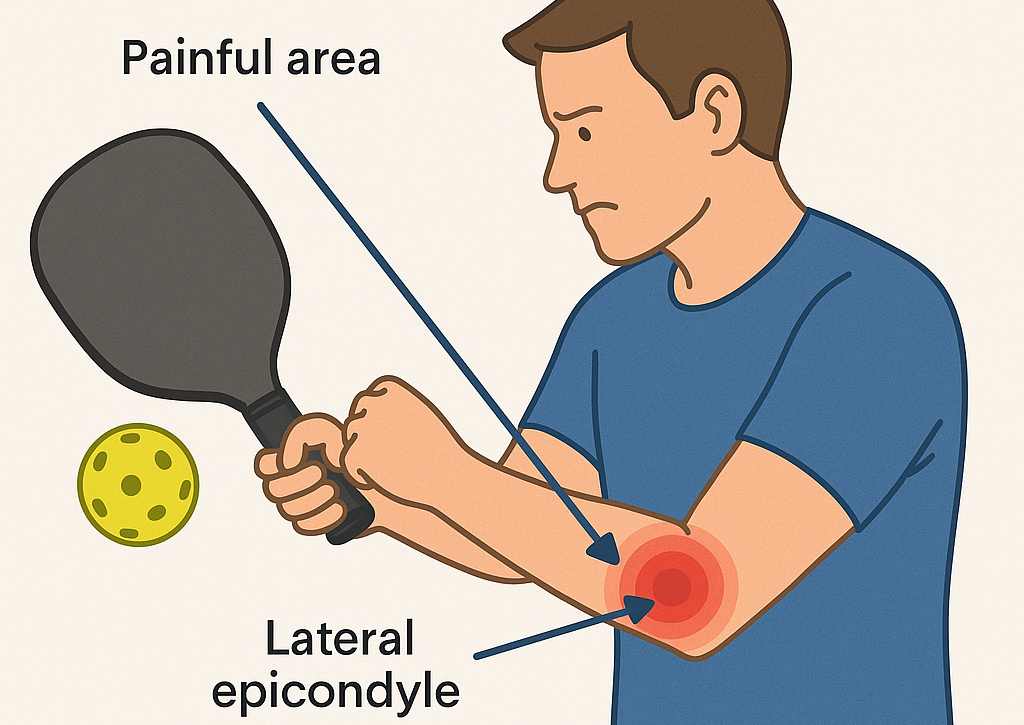

If you’ve been feeling a nagging pain on the outside of your elbow after a few too many pickleball sessions, you’re not alone. “Pickleball elbow” is becoming one of the most common injuries among players from weekend warriors to seasoned pros. But what exactly is it, why does it happen, and most importantly how can you prevent it or recover without giving up your favorite sport?
In this article, we’ve teamed up with sports injury expert Landon Uetz, otherwise known as @the.pickleball.physio, to break down everything you need to know about pickleball elbow. You’ll learn what causes it, how to spot the symptoms early, and get actionable tips to heal faster and stay pain-free on the court. Whether you’re a beginner or a competitive player, this guide will help you protect your body and play your best.
Let’s get into it, because no one wants to sit out due to elbow pain!
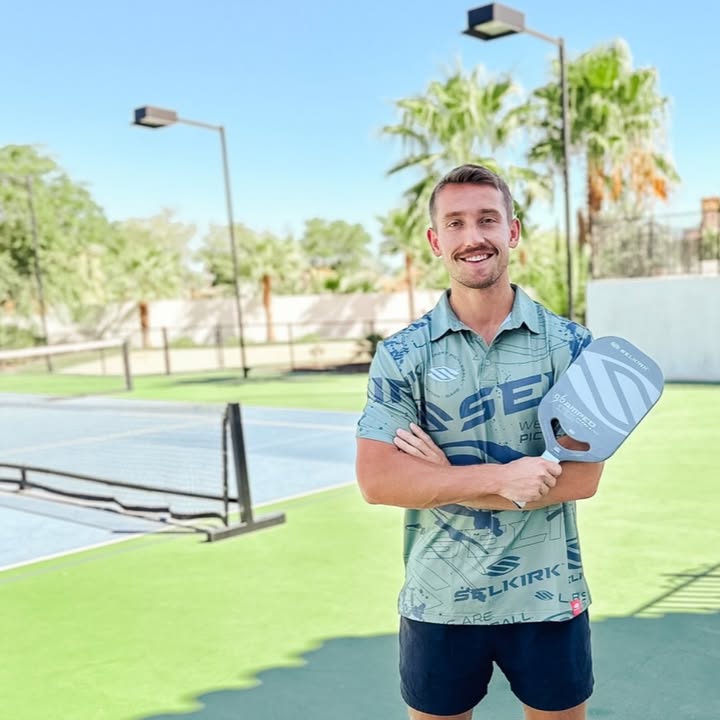
Meet Dr Landon Uetz: The Pickleball Physio
I am a Doctor of Physical Therapy who has been practicing in the outpatient orthopedics field for 5 years. I grew up in North Dakota where I played college baseball and received my degree. I shortly after moved to Arizona where I began my career and was first introduced to Pickleball. As a “retired” athlete, I gravitated towards pickleball as a way to remain active, engage with friends and family, and compete. This passion lead me to launching a virtual rehab business that specializes in working with pickleball athletes. I now have the privilege to work with players from all across the country to play longer and healthier.
Understanding The Condition
What Is Pickleball Elbow?
Pickleball elbow is known as overuse of the common extensor tendon that runs along the outside of your forearm. This leads to pain along the outside of the elbow, and loss of function of the arm.
Pickleball and tennis elbow present very similarly when you look at the specifics – pain at the outside of the elbow. Both conditions arise from overuse of the common extensor tendon from repetitive movements, but they may stem from slightly different sources. Differences in swing mechanics, paddle/racket sizes, and sport demands may lead to slightly different rehab strategies.
Other terminology to describe the symptoms of both pickleball and tennis elbow are lateral epicondylitis and extensor tendinopathy.
What Causes Pickleball Elbow?
Pickleball elbow is primarily caused by overuse of the extensor tendons of the forearm that lead up to the elbow. When the load placed through this area exceeds what the musculature and tendons can handle, pain is often the result. A combination of factors can increase the forces places through the elbow – too many games in too short of time, increase grip tension on paddle, excessive wrist movement with shot selection, increase paddle weight, andin increase paddle vibration all can have an impact.
View this post on Instagram
Symptoms & Diagnosis
What Are The Early Warning Signs Players Should Look For?
The early signs of pickleball elbow generally include a dull ache around the elbow, and point tenderness over the lateral epicondyle. This may progress to loss of grip strength, morning stiffness after playing, and pain with particular backhand shots – blocks, dinking, drives
Treatment & Recovery
How Long Does It Take To Recover From Pickleball Elbow?
Tendon related pain takes time. If treated early, someone is able to make large strides in recovery in 3-6 weeks. The treatment may revolve around active rest and gentle exercise to stimulate healing.
If someone has experienced symptoms for weeks, recovery may stretch longer to 6-12 weeks. This will require consistent progressive loading
For players who have dealt with symptoms for months, recovery may stretch to 6-12 months. For these players, progressive loading is key in addition to a gradual return to the court to avoid frequent flare ups.
View this post on Instagram
Can The TopspinPro Help With Rehab?
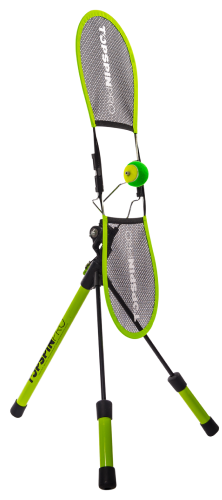
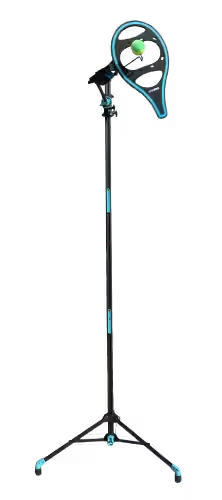
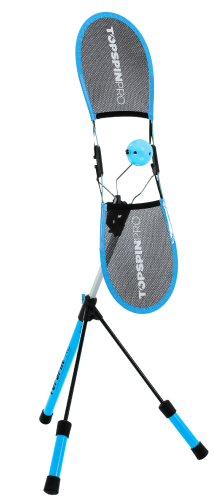
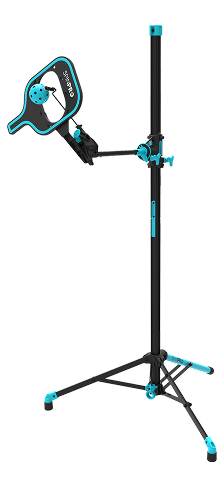
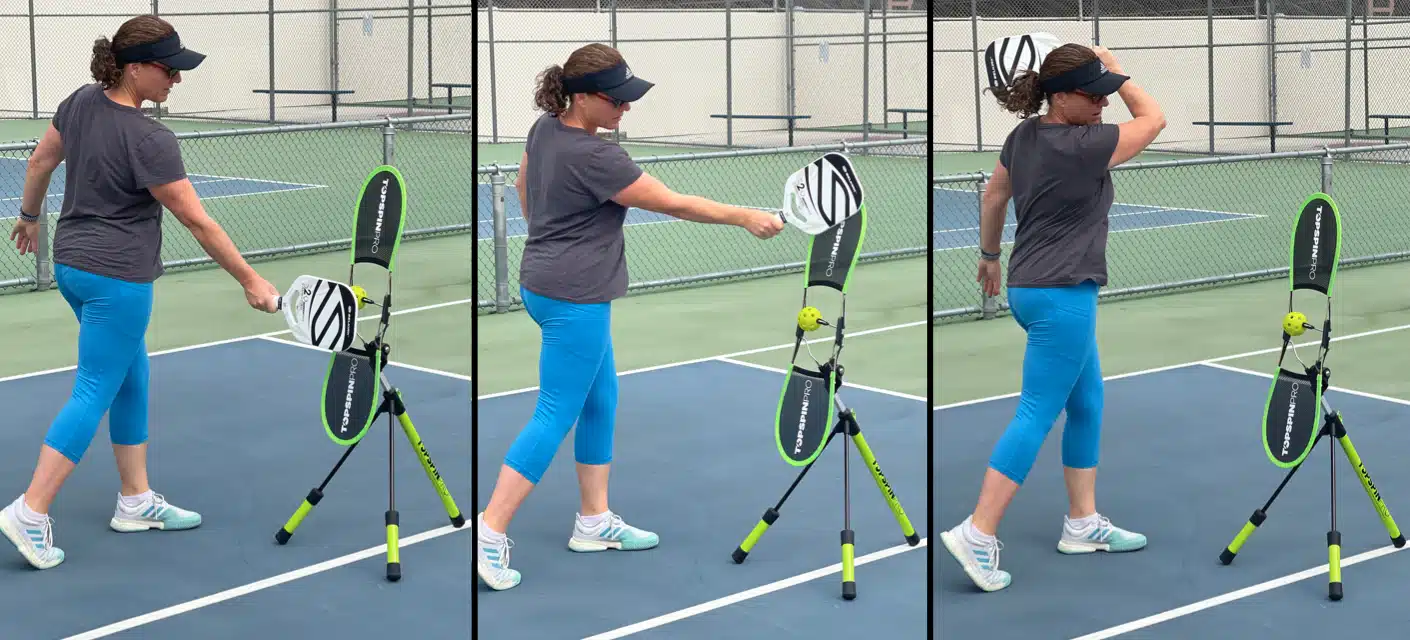
The TopspinPro could be used in controlled rehab settings to gradually introduce skill based movements that translate directly to the court. Tendon related pain can be very stingy, and flare ups when it comes time to play are unfortunately common. With a tool that can simulate shots that will be executed on the court you can gradually progress your playing volume in a very structured and controlled way.
The TopspinPro could also be used to refine skills such as backhand drives and flicks. If these particular shots were uncomfortable prior to rehab, breaking them down to allow proper mechanics can lead to less stress on the forearm during gameplay
Pickleball Elbow Prevention
How Can We Avoid Pickleball Elbow?
If you are going to participate in a sport that demands a lot from your body, you should be training for it! Preparing your body through a comprehensive strength and conditioning program can do amazing things in reducing overuse injuries in Pickleball.
If there was a second piece of advice, it would be to prioritize your rest days! Sometimes, less is more!
More Tips From Dr Landon Uetz
Free, generic health and fitness recommendations with an emphasis on Pickleball:
Virtual Treatments:
I have also had the joy of helping many folks bridge the gap from ‘Pain to Playing’ completely virtually through The Pickleball Physio. You can access my website at www.thepickleballphysio.com.
If you are actively managing symptoms from Pickleball elbow or any other injury you may benefit from consulting with a local Physical Therapist or Chiropractor, or your primary care physician!
View this post on Instagram
FAQs
-
What exactly is pickleball elbow?
Pickleball elbow is overuse of the common extensor tendon that runs along the outside of your forearm. It usually shows up as pain on the outside of the elbow and can lead to loss of arm function if it keeps getting irritated.
-
Why does my elbow hurt after playing pickleball?
The main cause is load exceeding what the forearm muscles and tendons can handle. Too many games in too short a time, increased grip tension, excessive wrist movement, a heavier paddle, or more paddle vibration can all increase the forces through the elbow.
-
What early warning signs should I not ignore?
Look for a dull ache around the elbow and point tenderness over the lateral epicondyle. It may progress to loss of grip strength, morning stiffness after playing, and pain with backhand shots like blocks, dinks, and drives.
-
How long does pickleball elbow take to recover?
Tendon related pain takes time. If treated early, you may make large strides in 3-6 weeks with active rest and gentle exercise, but symptoms lasting weeks can take 6-12 weeks, and long-running cases may stretch to 6-12 months with consistent progressive loading.
-
How can I prevent pickleball elbow without giving up the game?
If you are going to participate in a sport that demands a lot from your body, you should be training for it. A comprehensive strength and conditioning program can help reduce overuse injuries, and the second piece of advice is simple: prioritize your rest days, because sometimes less is more.
Enjoyed this article?
Be sure to sign up for our newsletter and we'll keep you up to date about new posts