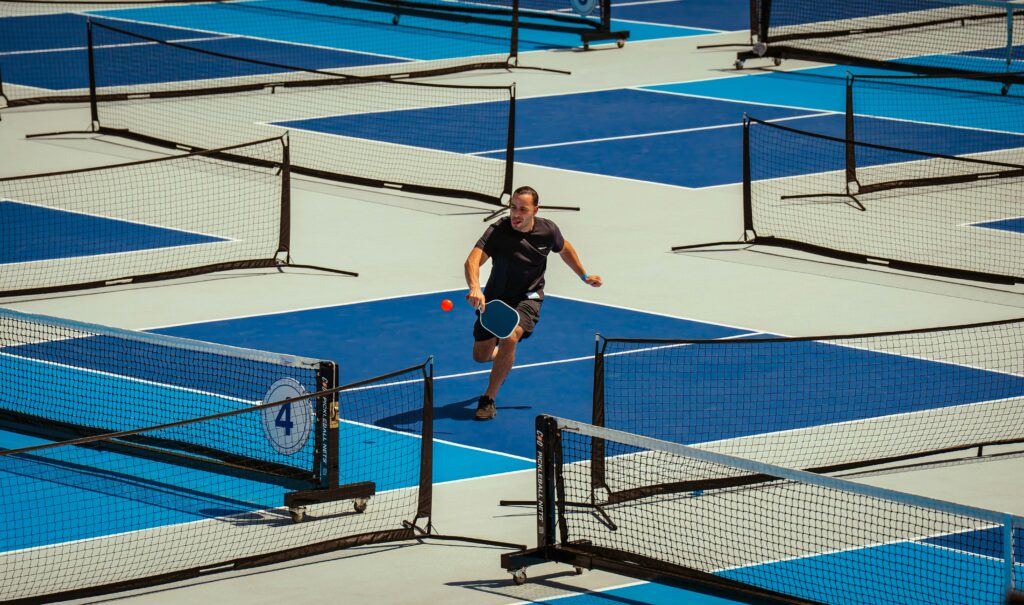

From the outside, many people assume pickleball is an easy sport, or just something for older players. It’s true that pickleball is more accessible than many other racket sports and easier to pick up at the beginning. But once you become a regular player, you quickly realize how physically demanding it really is!
The smaller court and lighter equipment can make the game look easier, but smaller space actually means more frequent changes of direction, longer rallies, and less recovery time between points. The game is fast, reactive, and repetitive and that adds up.
It’s no surprise that so many players deal with everyday soreness in areas like the knees, elbows, back, and shoulders. Even more concerning, a growing number of players are developing medium- to long-term injuries from spending hours on the court without proper physical preparation.
The good news? This isn’t just an age issue, and it’s not simply bad luck. In many cases, it comes down to preparation. And the even better news is that with the right approach, you can reduce injury risk while also becoming fitter, faster, and more efficient around the court.
Here’s the truth most players never hear:
It’s not just age. It’s not bad luck. It’s preparation.
Why Pickleball Causes So Many Injuries
We’ve already talked about the smaller court and smaller space means more intensity and repetition. A helpful comparison is tennis versus table tennis. Table tennis is extremely fast and reactive, with constant quick movements. Tennis, on the other hand, involves bigger court coverage, more recovery time between shots, and greater emphasis on explosive power.
Pickleball sits somewhere in between.
It doesn’t have the relentless speed and repetition of table tennis, but it also doesn’t demand the same level of full-court explosive power as tennis. Instead, it requires a combination of both.
Players need the conditioning to handle long rallies and sustained exchanges, while also having the power, agility, and quick reactions for sharp changes of direction and fast hand-speed situations at the net. It’s a unique blend of endurance, speed, and reactive strength which is exactly why proper physical preparation matters so much.
The situations you face on a pickleball court place very specific demands on the body. Yet most players’ “training” looks like this:
• Playing more games
• One-directional cardio like the treadmill or bike
• Ignoring aches and hoping injuries don’t happen
If that sounds familiar, keep reading!
If you play regular, competitive pickleball, your body is being asked to move like an athlete…without being trained like one.
When strength, mobility, and movement control don’t match the demands of the sport, the stress has to go somewhere. And it usually ends up in the joints, knees, elbows, shoulders, and the lower back. Over time, that overload is what leads to soreness turning into injury.
For a more in-depth guide to pickleball injuries check out our article: Pickleball Injuries: Prevention & Recovery Tips from an Expert
How Warming Up Correctly Helps Prevent Injuries
Even if you add no extra training to your pickleball routines, warming up properly can go a long way to helping prevent injuries. . A proper warm-up gradually increases blood flow to the muscles, improves joint mobility, and activates the key areas you rely on during play, especially the hips, shoulders, core, and lower legs. This prepares your body for quick changes of direction, fast reactions, and repeated swings, instead of asking cold, stiff tissues to suddenly handle high forces. It also sharpens coordination and reaction time, so your movements are more controlled and efficient from the first rally. Skipping this step means your body spends the early part of play trying to “catch up,” which is when many strains and tweaks happen. A few focused minutes before you start can make the difference between playing strong and sitting out with an avoidable injury.
Check out the video below for an easy warm up you can do before practice or games:

What “Pickleball Fitness” Actually Means
If you’re one of those people who mainly moves in one direction walking around your neighborhood, running on a treadmill, or cycling, you may be very fit and healthy. But pickleball demands a different type of fitness.
Over the years, I’ve worked with people who were extremely fit in their own sport, including marathon runners, yet struggled the moment they stepped onto the pickleball court.
That’s because pickleball fitness is about training the specific movements your body uses during play. It’s not just cardio. It’s cardio plus:
- Leg strength – so your knees aren’t absorbing all the force when you stop, cut, or lunge
- Hip mobility – so you can reach low balls without straining your back
- Core stability – so your shots stay controlled while you’re moving
- Shoulder and arm strength – to handle repeated swings without overload or pain
- Balance and agility – for quicker reactions and changes in direction
When these areas are trained, the body shares the load efficiently. When they’re not, stress builds in the wrong places and that’s when things start to break down.
Why Most Pickleball Players Skip Training
It’s not because they don’t care and not because they aren’t committed. Most players genuinely want to stay healthy and keep improving but the gap usually comes down to confusion, not effort.
Often it’s because:
- They don’t know which exercises actually help pickleball
There’s so much generic fitness advice out there that it’s hard to know what applies to the specific demands of the sport. Squats? Stretching? Cardio? It’s unclear how to connect gym work to court performance. - They think playing more is enough
Pickleball feels like exercise, so it’s easy to assume that more court time equals better fitness. But playing the sport and preparing the body for the sport are two different things. - They’re unsure how to strength train safely
Many players worry about lifting weights the “wrong way,” hurting their back, or making existing aches worse. Without guidance, it feels safer to avoid it.
Between work, family, and getting to the courts, the idea of adding hour-long gym sessions just isn’t realistic. So what happens? Players keep playing…
They stretch a bit, maybe ice something, take a few days off when it flares up and then go right back to the same cycle.
They end up managing soreness instead of fixing the root cause. The truth is, you don’t need complicated programs or long workouts. You need targeted preparation that matches what your body actually experiences on court.
Pickleball Fitness Course
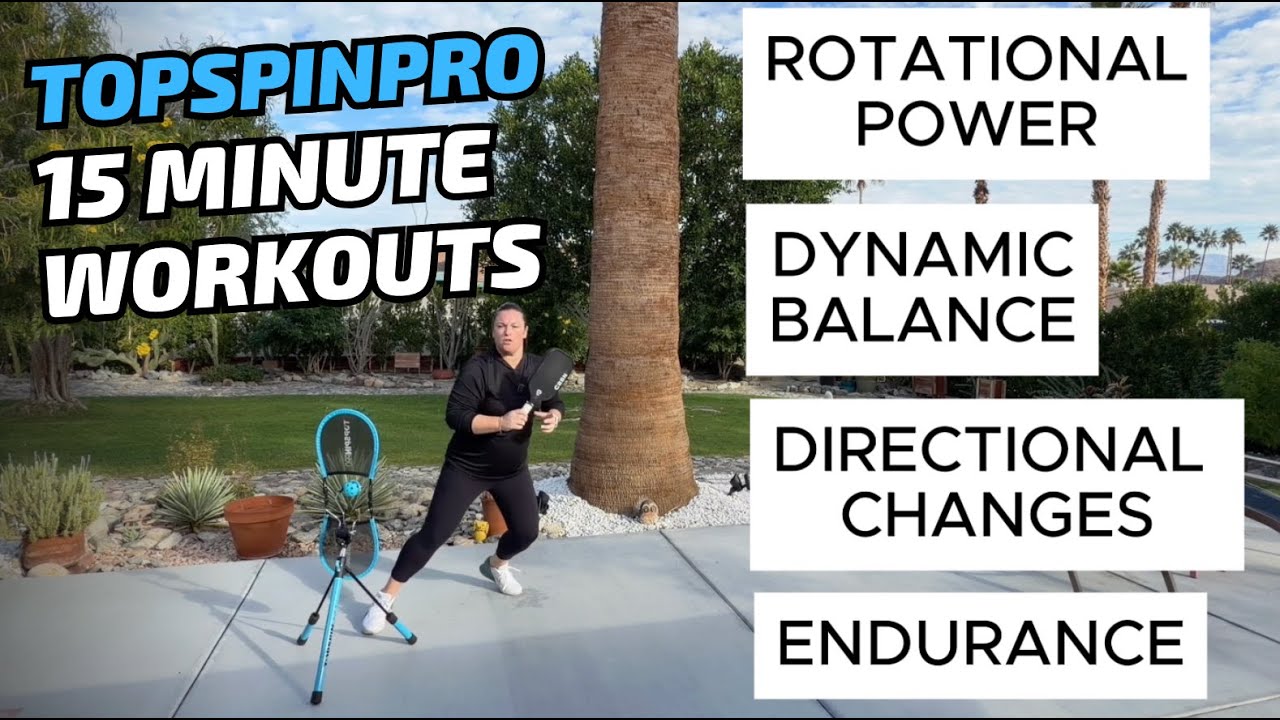
If you need some extra help with knowing how to train our 7-Day Pickleball Fitness Course might be just what you need! We guide you through 15 minute pickleball specific workouts that are easy to fit into your busy schedule. Find out more here or watch the video below for more info:
Conclusion
Pickleball is one of the most fun, social, and rewarding sports you can play but it’s still a sport that asks your body to move, react, and repeat at a high level. When we treat it like “just a game” instead of an athletic activity, that’s when soreness becomes normal and injuries become common.
The goal isn’t to stop playing or to train like a professional athlete. It’s simply to prepare your body so it can handle what you love to do. A few minutes of the right warm-up, some targeted strength and mobility work, and an understanding of what your body actually needs can make a huge difference.
When your body is prepared, you move better, react faster, recover quicker, and play with more confidence. Instead of constantly managing aches and pains, you can focus on improving your game and enjoying your time on court.
Pickleball doesn’t have to wear you down. With the right preparation, it can make you stronger.
FAQs
-
Is pickleball an easy sport suitable only for older players?
While pickleball is more accessible and easier to start than many racket sports, it is physically demanding. The smaller court leads to frequent direction changes, longer rallies, and less recovery time, which can challenge players of all ages.
-
Why do so many pickleball players experience injuries?
Pickleball demands a unique blend of endurance, speed, and reactive strength. Many players train by just playing more or doing one-directional cardio, which doesn’t prepare the body for quick movements, leading to stress and injuries in joints and muscles.
-
How does warming up help prevent injuries in pickleball?
Proper warm-ups increase blood flow, improve joint mobility, and activate key muscles like hips, shoulders, and core. This prepares the body for fast reactions and reduces the risk of strains by avoiding sudden stress on cold tissues.
-
What does "pickleball fitness" involve beyond general cardio?
Pickleball fitness includes leg strength, hip mobility, core stability, shoulder and arm strength, plus balance and agility. Training these areas helps the body share loads efficiently, preventing overload and injury during play.
-
Why do many pickleball players skip specific training?
Many players are confused about which exercises help pickleball or believe playing more is enough. Others worry about training safely or lack time for long workouts. Targeted, short workouts can effectively prepare the body without complicated programs.
Enjoyed this article?
Be sure to sign up for our newsletter and we'll keep you up to date about new posts