
Stay in the loop!
Want to be updated when we publish? Be sure to sign up for our newsletter. No spam, we promise!
The Benefits of Tennis Wall Drills
There are a number of reasons why wall practice is so great for you. Here are some of the main ones:
Flexibility
You don’t need to find a partner and it’s easier to fit into a busy schedule, especially if you have a wall at home you can use. Wall practice doesn’t require the booking of courts or matching up schedules. It’s an easy and fast way to pack in some extra reps.
Consistency
The ball will always come back so force you to improve your consistency to keep the rallies going!
Control
The wall never misses but it’s very easy for you to miss. Hitting over the top of the wall or hitting too hard to control the ball is very common. You quickly have to learn to set a steady tempo and to focus on controlling the ball at the right height to be able to keep the rally sustained.
Endurance
Extended rallies against a wall can be physically demanding, helping improve your stamina and footwork.
Technique
Without a partner, wall practice allows you to focus on yourself. This is a great opportunity to refine your technique.
View this post on Instagram
Tennis Wall Drills
Here are some example wall drills for you to try next time you head to practice:
Warm Ups
Using the wall is a great way to warm up before a match or on-court training session.
Here’s an example warm up you can use:
View this post on Instagram
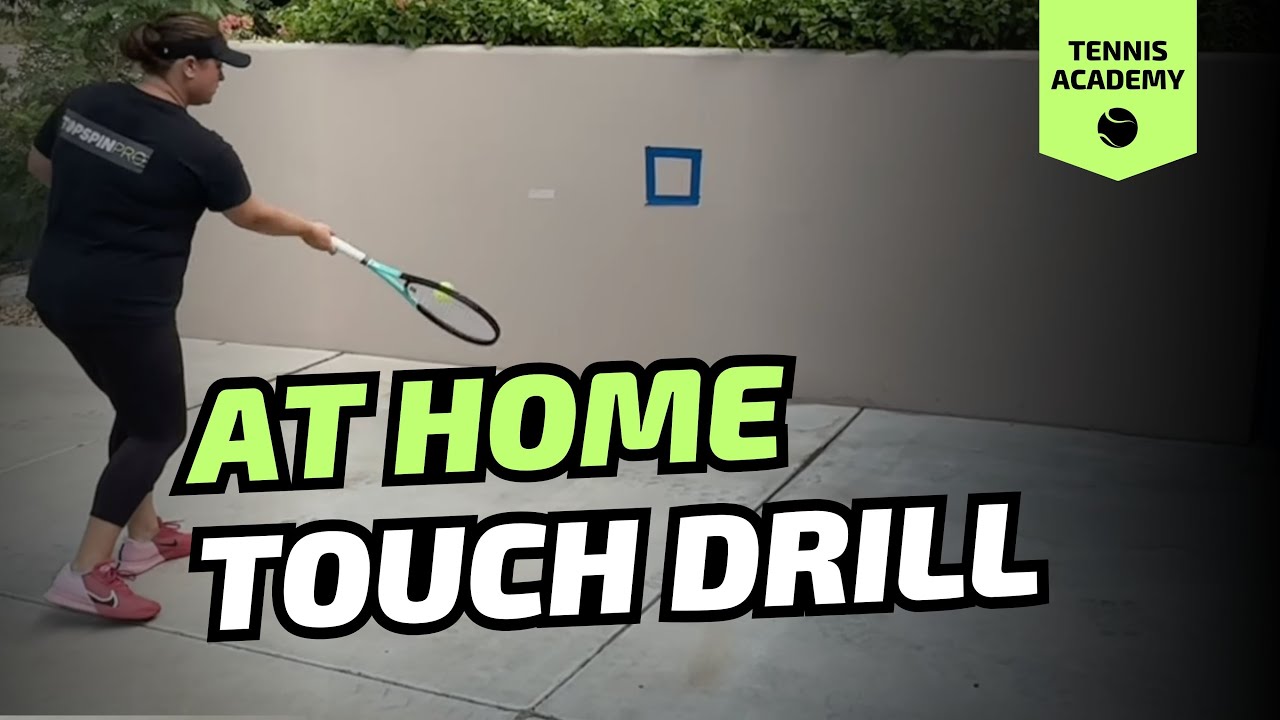
Touch Tennis
As tennis players we often gravitate to the fun, hard-hitting types of tennis practice. But, the best players have both power and incredible touch and control. This ball control drill is an easy one to do anywhere, you don’t need much space for it:
Volleys
Try standing close to the wall and hitting volley to volley. Start further away and with only forehands to start with. Once you build up your reflexes you can add in backhand and then mix up from shot to shot. As you improve test yourself by standing as close as possible.
Groundstrokes
To practice groundstrokes you can either isolate one shot or mix around. You can even create specific sequences such as 3 x forehands and then a backhand and repeat. Here’s an example bump drill you can do to improve your contact point:
View this post on Instagram
Depth
Try hitting deep balls followed by short ones or creating a sequence. This helps you control the depth of your shots, an essential skill in matches.
Serves and Returns
Try serving the wall to yourself and recovering fast enough to return it. This is great practice for your reflexes.
Slice
The wall is great practice for both forehand and backhand slice. If you find it hard to continuously hit slice, try mixing in slice with your regular groundstrokes. Here’s a backhand slice example video:
View this post on Instagram
Point Sequences
You can put all of the above practice together in some mock match points. Start with a serve and put together a sequence of shots.
Tips for Effective Wall Practice
Plan
Before you start plan your practice. It could be a certain number of consistent hits, a duration of time, or practicing a particular stroke.
Mark the Net
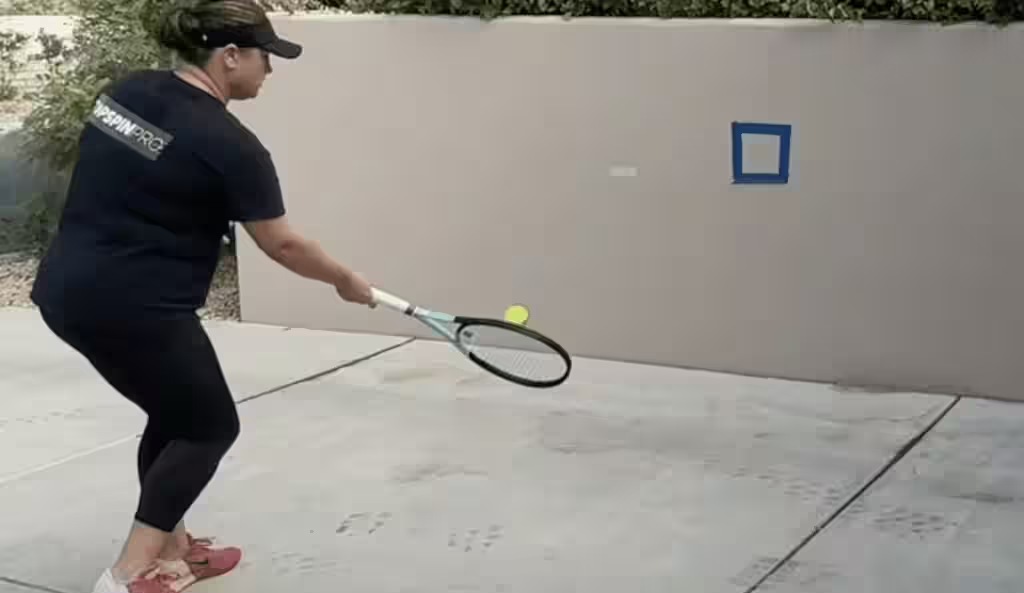
If you are not using a proper tennis wall, mark out the net height using painter’s tape etc. This gives you a more realistic practice and a solid visual. You can even add in the tape where the baseline and service line would be so you can gauge the distance correctly.
Vary Your Pace
Don’t just hit at one speed. Mix it up, from slow-paced shots to faster, more aggressive ones.
Footwork
Move your feet as you would in a real match. Try to stay active the whole time.
TopspinPro Beginner Courses
We use the latest neuroscience in our TopspinPro Online Courses. Check them out for some in depth help with developing your shots:
- A RALLY READY FOREHAND IN 21 DAYS
- A ROCK-SOLID TWO HANDER IN 21 DAYS
- AN EXQUISITE ONE HANDER IN 21 DAYS
Conclusion
The wall, which is often overlooked by players, remains an incredible tool for technique refinement and physical conditioning. It’s always ready to rally, and never tires. Try adding in a wall session or two per week and watch your game improve!
FAQs
-
Why is wall practice so useful for tennis players?
The wall is always ready to rally, never tires, and doesn’t require booking courts or matching up schedules. It’s an easy and fast way to pack in extra reps while improving consistency, control, endurance, footwork, and technique.
-
What should I focus on when hitting against a wall?
Set a steady tempo and focus on controlling the ball at the right height. The wall never misses, so you quickly learn that hitting too hard or over the top makes it hard to keep the rally sustained.
-
Which wall drills are best to try in a session?
You can warm up, practice touch tennis, hit volleys close to the wall, isolate groundstrokes, work on depth, serve and return, add slice, or put it all together in mock match points. Start simple, then mix shots and sequences as you improve.
-
How do I make wall practice feel more like real tennis?
Mark out the net height with painter’s tape if you’re not using a proper tennis wall. You can even add where the baseline and service line would be so you have a solid visual and can gauge distance correctly.
-
What’s the best way to plan an effective wall session?
Before you start, decide on a clear goal: a certain number of consistent hits, a duration of time, or one stroke you want to refine. Then vary your pace and move your feet as you would in a real match, staying active the whole time.
Links Related to This Article
Enjoyed this article?
Be sure to sign up for our newsletter and we'll keep you up to date about new posts