
Stay in the loop!
Want to be updated when we publish? Be sure to sign up for our newsletter. No spam, we promise!
What Is Slice?
Slice, or backspin, is applied to a shot when the racket travels from high to low down the back of the ball. The friction created by the racket’s downward motion against the ball makes it spin backward. This backspin causes the ball to skid and bounce low when it lands, making it challenging for opponents to return aggressively.
Why Use Slice?
Mastering the backhand slice adds another dimension to your tennis game whether you play singles, doubles, or both. Several benefits of slice can improve your overall game and make you a more versatile player:
Defensive Play
The slice, being a slower shot with more float, is an excellent defensive tool. It buys you more time when out of position and also can change up the pace of a rally when you are on the back foot.
Here’s a video explaining more about how high to hit the ball in different scenarios.
Lower Bounce
The slice causes the ball to stay low and skid upon bouncing, making it difficult for opponents to execute shots. It is especially useful against taller players, those with limited reach, and players who prefer topspin.
Net Play
The backhand slice is an effective shot for approaching the net. By keeping the ball low, you make it difficult for your opponent to hit a clean passing shot, setting up easier volleys or overheads.
Disrupt Play
The low trajectory and skidding bounce of a well-executed slice can disrupt your opponent’s rhythm and timing, leading to unforced errors. By keeping the ball low, you also limit your opponent’s ability to generate power on their shots.
Versatility
The backhand slice is a versatile shot that can be used in various situations—whether you’re on the defensive, setting up an approach, or trying to change the pace of a rally. It adds another dimension to your game, allowing you to challenge different types of opponents and cope with a variety of scenarios.
Backhand Slice Technique
Grip
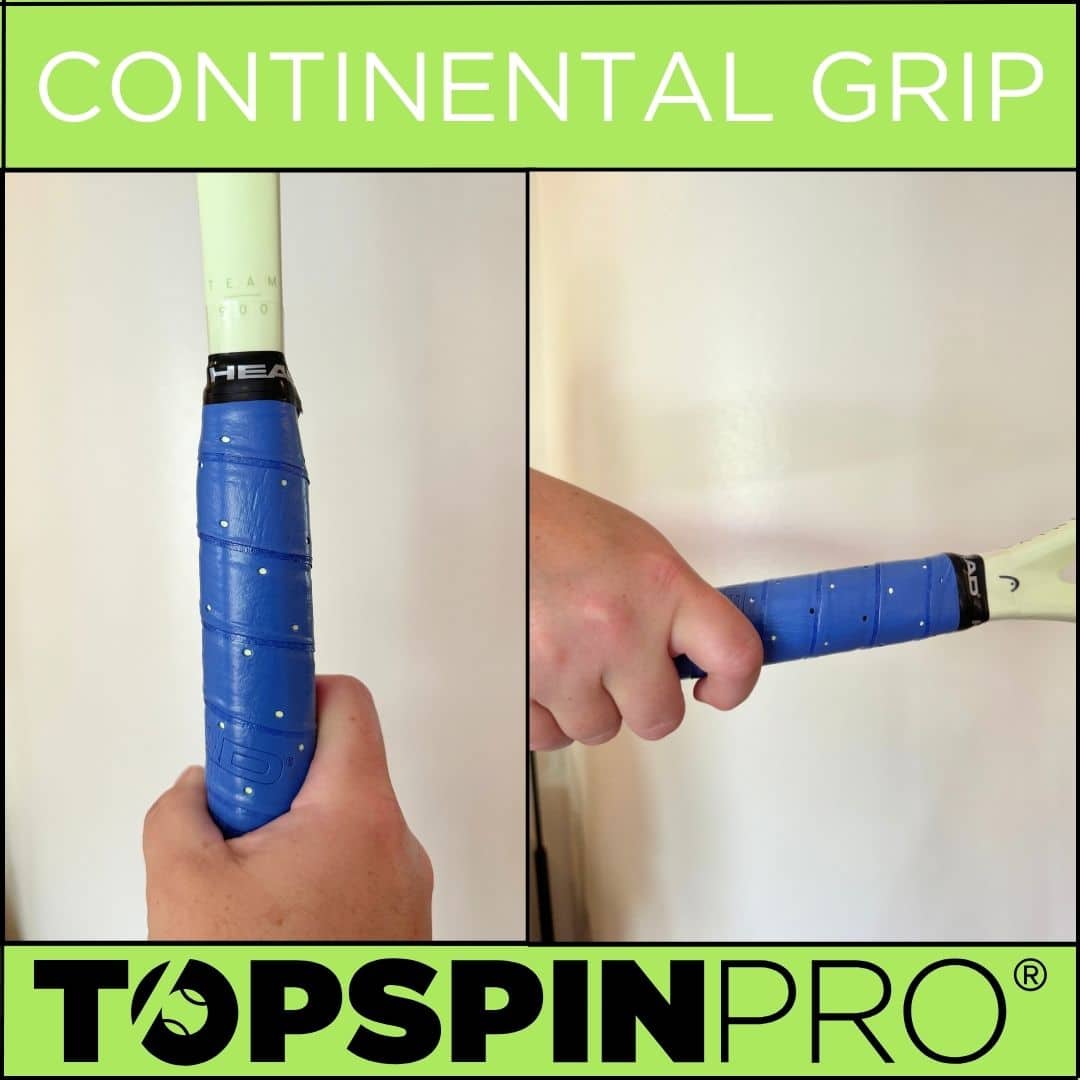
The continental grip is most commonly used for the backhand slice. This grip allows you control the face of the racket through the contact point, controlling the flight path.
Here’s how to find the continental grip:
View this post on Instagram
Stance
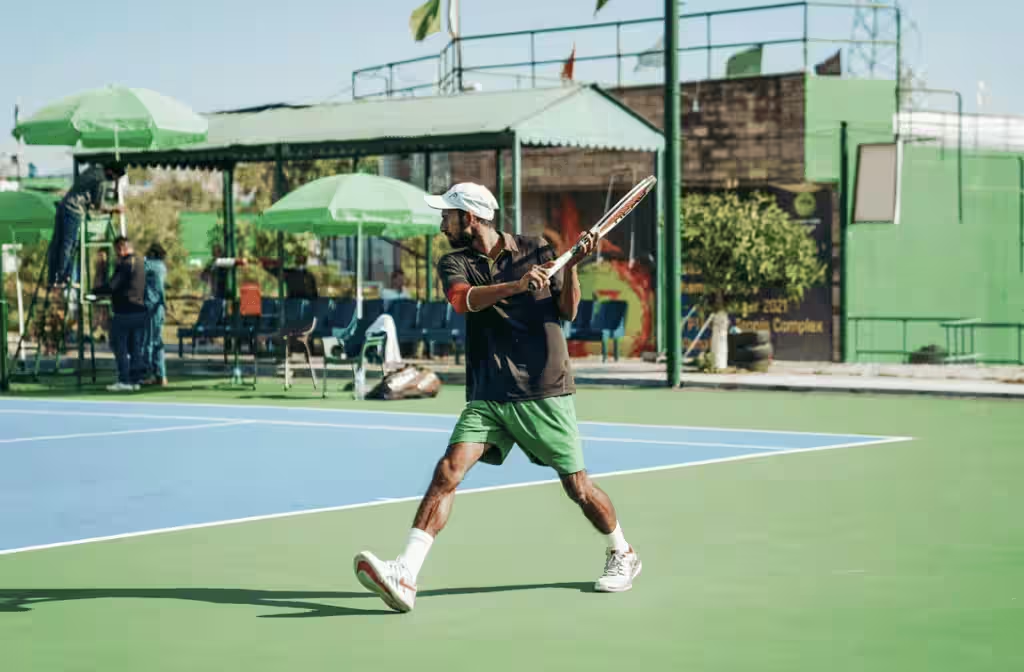
It’s best to use a more closed stance. Lead towards the ball with your dominant leg and shoulder with your chest facing to the side of the court. This stance allows for a smoother swing path and better balance through the shot.
Swing Path
Start your racket high and above the ball. Swing from high to low down the back of the ball. The racket face angle should be straighter to hit a lower trajectory or more open to loft the ball higher. The follow-through will vary depending on where you want the ball to go. Focus on extending it forward toward your target.
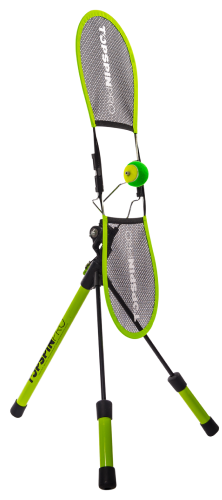
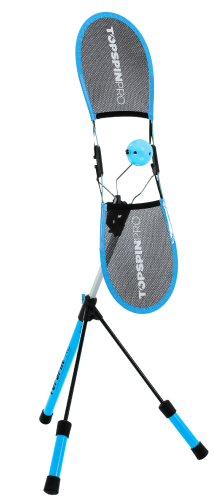
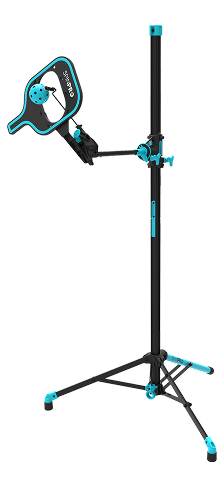
You can use the TopspinPro to learn the basic biomechanics of slice. Here’s a video showing you how:
View this post on Instagram
Common Mistakes With The Slice
Too Much Chop: If you cut too much down the back of the ball the ball will drop short and either fall into the net or into a zone where your opponent can attack.
Open Racquet Face: If the racquet face is too open at contact, the ball can float too high. This will either send the ball long or into a zone where it’s easy for your opponent to attack.
Flat Swing: A flat swing reduces the effectiveness of the slice. Ensure your swing path is high to low to generate sufficient backspin. A flatter swing often comes from hitting with more of an Eastern Backhand grip. Make sure you are shifting to continental.
How to Improve Your Backhand Slice
Practice Regularly
Like any shot in tennis, consistency with the backhand slice comes with regular practice. Spend time working on the shot during drills and practice matches. You can even practice against the wall or with a ball machine. The key here is regular practice, even if you practice for a couple of minutes daily to embed the muscle memory.
Use The Wall
The wall can be one of the best training partners. Here’s a video giving you some tips on practicing the slice:
View this post on Instagram
Practice Shadow Swings
Practice the backhand slice without a ball, focusing on the swing path and follow-through. This helps ingrain the correct mechanics and improves muscle memory.
Rallies
Nothing builds your consistency like hitting 100s of balls in some rally drills. Try crosscourt and down the line rallies just repeating your slice over and over with a variety of balls.
TopspinPro Beginner Courses
We use the latest neuroscience in our TopspinPro Online Courses. Check them out for some in depth help with developing your shots:
- A RALLY READY FOREHAND IN 21 DAYS
- A ROCK-SOLID TWO HANDER IN 21 DAYS
- AN EXQUISITE ONE HANDER IN 21 DAYS
Summary
The backhand slice is a powerful and versatile shot that can enhance your tennis game in numerous ways. Whether you’re using it to change the pace, defend, or approach the net, mastering the slice gives you an additional weapon in your arsenal. By understanding the mechanics, practicing regularly, and strategically incorporating the slice into your game, you’ll become a more well-rounded and effective player on the court.
FAQs
-
What exactly is a slice in tennis?
Slice, or backspin, is created when the racket travels from high to low down the back of the ball. That downward friction makes the ball spin backward, skid, and bounce low when it lands.
-
Why should I add a backhand slice to my game?
Mastering the backhand slice adds another dimension to your tennis game. It can buy you time when you’re out of position, change the pace of a rally, keep the ball low, and disrupt your opponent’s rhythm and timing.
-
What grip and stance work best for a backhand slice?
The continental grip is most commonly used because it helps you control the racket face through contact and control the flight path. Use a more closed stance, leading toward the ball with your dominant leg and shoulder, with your chest facing to the side of the court.
-
What should I focus on in the swing path?
Start your racket high and above the ball, then swing from high to low down the back of it. Adjust the racket face angle for the flight you want, and focus on extending the follow-through forward toward your target.
-
What are the most common slice mistakes to avoid?
Avoid too much chop, because the ball can drop short into the net or into an attackable zone. Also watch for an overly open racket face, which can make the ball float too high, and a flat swing, which reduces the effectiveness of the slice.
Links Related to This Article
Enjoyed this article?
Be sure to sign up for our newsletter and we'll keep you up to date about new posts
2 comments
How to I change the position from the standard position to accommodate a backhand slice
Hi Paul. We call the slice more of a linear shot than a regular backhand (less rotation). The closed stance is the best stance to make sure you get a solid contact and follow through for a backhand slice. Most people already use more of a closed stance on their regular backhand, but if you don’t you need to make sure you turn fully sideways on as the ball travels toward you. The best way to do this is with a unit turn (racket and body turn together) as the ball is coming in and then keep your chest to the side of the court and lead with your dominant shoulder toward the contact point. As you become more confident with it you can add a little more rotation but it’s best to stay side on for your finish when learning to be consistent with your backhand slice.